


Introduction to Cybersecurity Best Practices
In today’s digital landscape, where technology is deeply integrated into our personal and professional lives, the need for robust cybersecurity measures to protect our data has become more critical than ever. Cybercriminals are constantly evolving their tactics, making it essential for individuals and businesses to stay one step ahead. In this article, we will explore expert cybersecurity best practices that can help safeguard your data and defend against potential threats.
The Importance of Cybersecurity in Today’s Digital Landscape
With the increasing reliance on technology and the vast amounts of data being generated and stored, the importance of cybersecurity cannot be overstated. Cyberattacks can have severe consequences, including financial loss, reputational damage, and compromised personal information. From large corporations to individuals, no one is immune to the ever-present threat of cybercrime. By implementing effective cybersecurity measures, you can significantly reduce the risk of falling victim to these malicious activities and protect your sensitive data.

Common Cybersecurity Threats and Vulnerabilities

Before diving into best practices, it’s crucial to understand the common cybersecurity threats and vulnerabilities that exist. Cybercriminals employ a wide range of techniques, including malware, phishing, ransomware, and social engineering, to exploit weaknesses in systems and gain unauthorized access to data. Vulnerabilities can arise from outdated software, weak passwords, unsecured wireless networks, and lack of employee awareness. By identifying and understanding these threats and vulnerabilities, you can take targeted steps to mitigate the risks and enhance your overall cybersecurity posture.
Best Practices to Protect Your Personal and Business Data
Implementing Strong Passwords and Multi-Factor Authentication
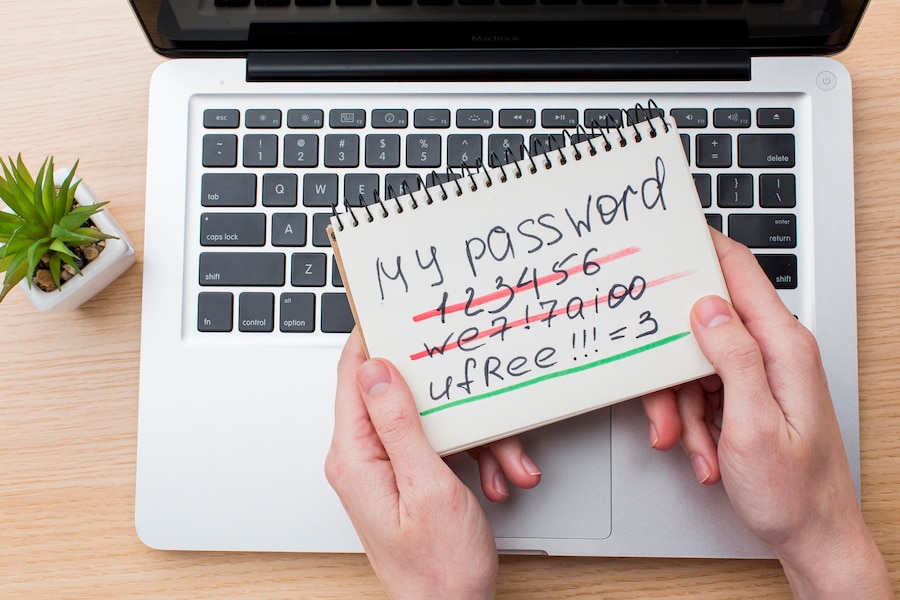
One of the simplest yet most effective cybersecurity practices is to use strong, unique passwords for all your accounts. Avoid common passwords such as “123456” or “password” that are easily guessable. Instead, create complex passwords with a combination of upper and lowercase letters, numbers, and special characters. Furthermore, enable multi-factor authentication (MFA) whenever possible. MFA adds an extra layer of security by requiring an additional verification step, such as a fingerprint scan or a unique code sent to your mobile device, before granting access to your accounts.
Regularly Updating and Patching Software and Systems

Software and system updates often include crucial security patches that address vulnerabilities discovered by developers or security researchers. Failing to update your software promptly leaves your systems susceptible to exploitation. Enable automatic updates whenever possible, and regularly check for updates for all your applications, operating systems, and devices. Additionally, ensure that your antivirus and anti-malware software is up to date, as these tools play a vital role in detecting and preventing cyber threats.
Phishing Awareness and Email Security
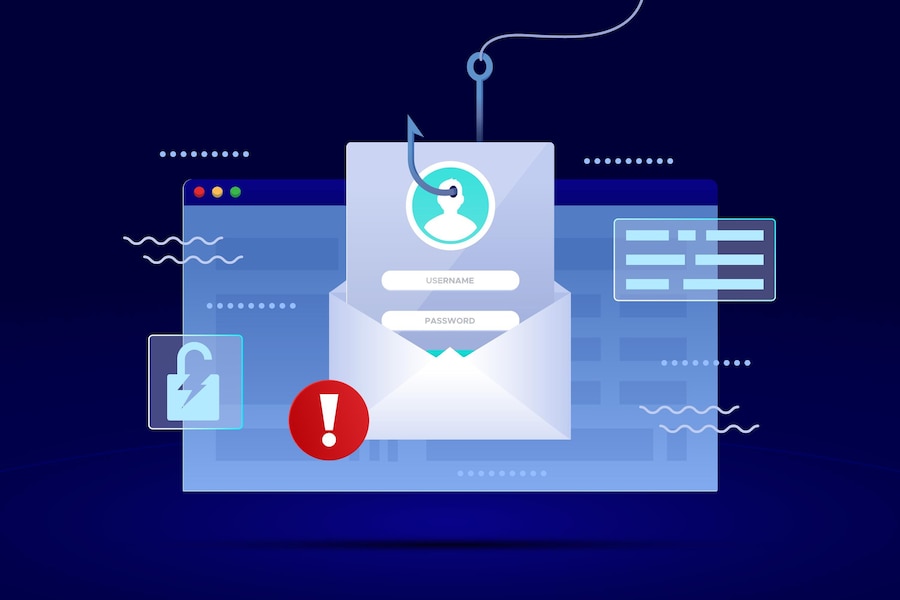
Phishing attacks continue to be one of the most prevalent cybersecurity threats, targeting individuals and organizations alike. These attacks typically involve fraudulent emails or messages that trick recipients into revealing sensitive information or clicking on malicious links. To protect yourself and your business, exercise caution when opening emails, especially those from unknown senders or with suspicious attachments. Avoid clicking on links without verifying their authenticity, and be wary of requests for personal or financial information. Implementing email security measures, such as spam filters and email authentication protocols like DKIM and SPF, can also help reduce the risk of falling victim to phishing attempts.
Securing Wireless Networks and Devices
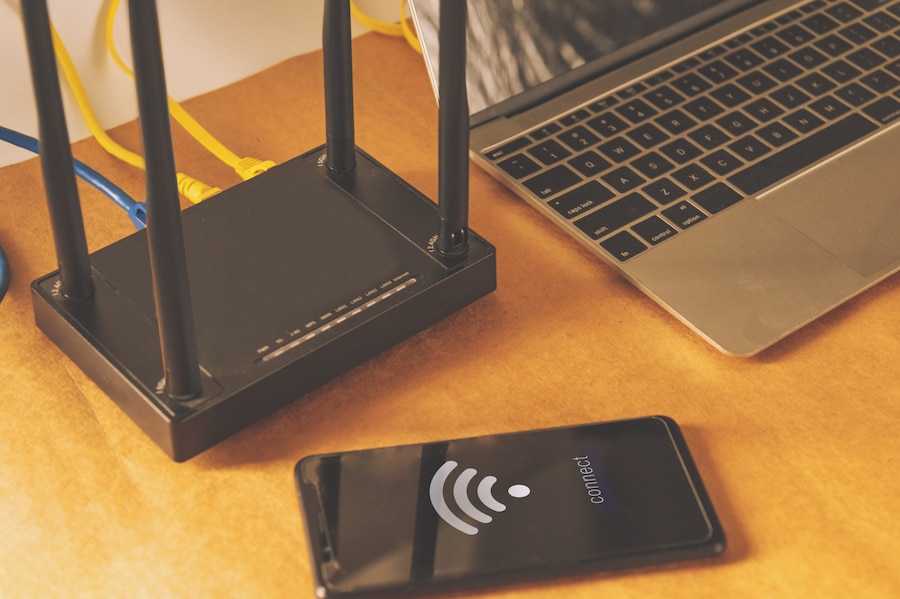
Wireless networks and devices can be vulnerable entry points for cybercriminals if not properly secured. Start by changing the default username and password of your wireless router to a strong, unique combination. Enable WPA2 or WPA3 encryption protocols to protect your network traffic from eavesdropping. Additionally, avoid connecting to public Wi-Fi networks, as they are often unsecured and can be easily exploited by hackers. When using portable devices such as laptops or smartphones, enable device encryption and set up a strong PIN or password to prevent unauthorized access.
Backing Up and Encrypting Data
Regularly backing up your data is a crucial practice that can mitigate the impact of potential data breaches or ransomware attacks. Store backups in a secure location, preferably offsite or in the cloud, to ensure they are not affected by physical damage or theft. Encrypting your data adds an extra layer of protection by scrambling the information, making it unreadable to unauthorized individuals. Utilize encryption tools and technologies to safeguard sensitive data, both during transmission and while at rest.
Educating Employees about Cybersecurity Best Practices
Employees are often the weakest link in an organization’s cybersecurity defenses. Educating your staff about cybersecurity best practices is essential to create a security-conscious culture. Conduct regular training sessions to raise awareness about the latest threats, phishing techniques, and safe browsing habits. Teach employees to identify suspicious emails or websites and encourage reporting of any potential security incidents. By fostering a cybersecurity mindset among your workforce, you can significantly reduce the risk of successful cyberattacks.
Monitoring and Responding to Security Incidents
Despite implementing preventive measures, it is crucial to acknowledge that no security system is foolproof. Monitoring your systems for any signs of intrusion or suspicious activity is essential to detect and respond to security incidents promptly. Implement intrusion detection and prevention systems (IDPS) and security information and event management (SIEM) tools to monitor network traffic, identify potential threats, and generate alerts. Develop an incident response plan that outlines the steps to be taken in the event of a security breach, including containment, analysis, and recovery. Regularly test and update your incident response plan to ensure its effectiveness.
Cybersecurity Tools and Resources for Businesses
Various cybersecurity tools and resources are available to assist businesses in enhancing their security posture. Endpoint protection solutions, firewall systems, and secure web gateways can help detect and prevent threats at multiple entry points. Vulnerability scanning tools can identify weaknesses in your systems, allowing you to patch them before they are exploited. Security awareness training platforms provide comprehensive training modules to educate employees about cybersecurity best practices. Additionally, partnering with managed security service providers (MSSPs) can provide access to advanced security expertise and round-the-clock monitoring.
Conclusion: Taking Proactive Steps to Safeguard Your Data
In conclusion, safeguarding your personal and business data requires a proactive approach and a comprehensive understanding of cybersecurity best practices. By implementing strong passwords, regularly updating software, and educating yourself and your employees about potential threats, you can significantly reduce the risk of falling victim to cybercrime. Remember to secure your wireless networks and devices, back up and encrypt your data, and monitor your systems for any signs of intrusion. By staying one step ahead and adopting a layered security approach, you can protect your data from the ever-evolving landscape of cyber threats.
