Introduction
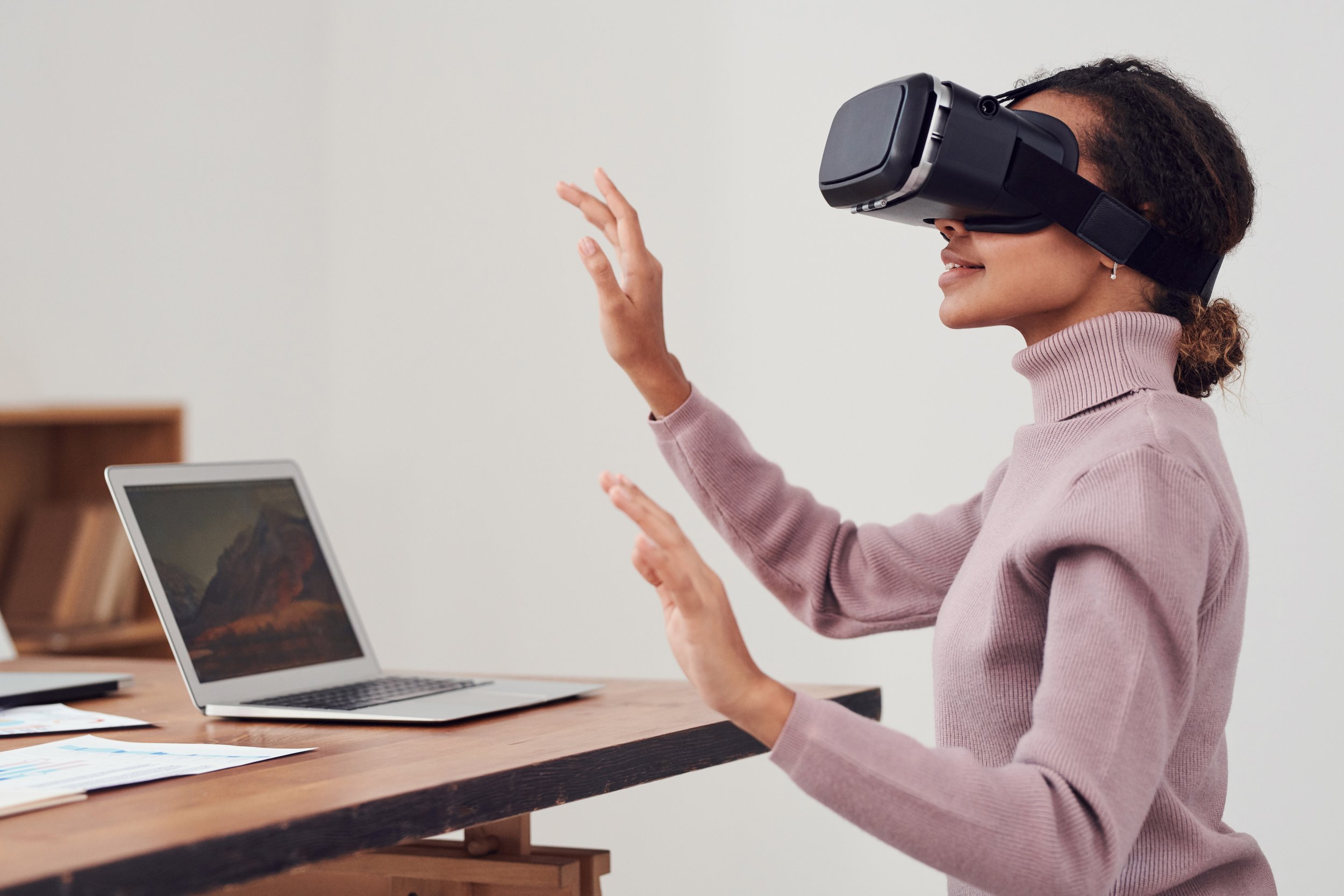
Augmented Reality (AR) and Virtual Reality (VR) technologies are revolutionizing industries from gaming to education and healthcare. However, with their immersive capabilities comes an alarming issue: data harvesting risks. These devices collect vast amounts of sensitive information, from biometric data to real-time movement tracking.
As AR/VR adoption grows, concerns over privacy, security, and ethical data usage are intensifying. But what exactly is at stake? Let’s explore how AR/VR headsets collect and process data, the potential threats, and how users can protect themselves.
How AR/VR Headsets Harvest Data
Unlike traditional devices like smartphones or computers, AR/VR headsets require extensive personal data to function effectively. The types of data collected include:
- Biometric Data: Eye tracking, facial expressions, heart rate, and other physiological responses.
- Location & Movement Data: Real-time motion tracking, spatial mapping, and GPS data.
- Behavioral Data: Interaction patterns, preferences, and habits.
- Audio & Video Data: Microphone and camera recordings used for voice commands, facial recognition, and environmental mapping.
- Device & Network Data: IP addresses, network usage, and device specifications.
These data points enable hyper-personalized experiences, but they also pose serious security risks if mishandled.
Major Risks Associated with AR/VR Data Harvesting
1. Privacy Breaches & User Profiling
AR/VR headsets collect highly detailed behavioral and biometric data, which can be exploited for user profiling. Companies can build extensive digital identities based on movement patterns, emotional responses, and even subconscious behavior.
▶ Risk: If leaked or sold, this data can enable identity theft, psychological manipulation, or invasive targeted advertising.
▶ Example: In 2021, Facebook (now Meta) faced scrutiny over its privacy policies concerning Oculus VR headsets, which required users to link their accounts, enabling broader data collection.
2. Cybersecurity Vulnerabilities & Hacking Threats
The immersive nature of AR/VR makes it an attractive target for cybercriminals. These devices rely on internet connectivity and cloud storage, making them vulnerable to:
- Man-in-the-Middle (MitM) Attacks: Hackers intercept data between the device and server.
- Phishing & Malware Attacks: Fake AR/VR applications trick users into exposing sensitive credentials.
- Ransomware Attacks: Hackers can lock users out of their VR systems or steal personal data for ransom.
▶ Example: In 2023, researchers demonstrated how hackers could exploit VR headsets to record keystrokes and infer passwords simply by tracking hand movements.
3. Biometric Data Exploitation
Unlike passwords, biometric data (eye movements, fingerprints, facial scans) cannot be changed if compromised. This makes it particularly valuable for hackers and data brokers.
▶ Risk: Stolen biometric data can be used for fraudulent authentication, deepfake creation, and unauthorized surveillance.
▶ Example: Some reports indicate that biometric tracking in AR/VR can be used to predict emotional responses, raising ethical concerns about neuromarketing manipulation.
4. Third-Party Data Sharing & Lack of Transparency
Many AR/VR applications share user data with third-party advertisers and analytics companies. Often, users are unaware of how much data is being collected and shared.
▶ Risk: Unregulated data sharing leads to privacy erosion, manipulation, and potential government surveillance.
▶ Example: In 2022, privacy advocates raised concerns over the Meta Quest Pro collecting eye-tracking data for targeted advertising without clear opt-out options.
5. AI-Powered Surveillance & Behavioral Tracking
As AI algorithms evolve, AR/VR devices will predict and analyze user behavior in real time. While this enhances user experience, it also enables mass surveillance.
▶ Risk: Companies could use AR/VR to monitor productivity, emotions, and personal habits, leading to ethical concerns in workplaces and public spaces.
▶ Example: Some employers are experimenting with VR workplace training, but the collected data could be misused to evaluate employees unfairly based on subconscious behaviors.
How to Protect Your Privacy While Using AR/VR Headsets
1. Review Privacy Policies & Permissions
Before using an AR/VR headset, carefully read the privacy policies and check which data permissions are being requested.
✅ Opt-out of unnecessary data collection whenever possible.
✅ Disable cameras and microphones when not in use.
2. Use a VPN & Secure Networks
Since AR/VR devices rely on internet connectivity, using a VPN can encrypt your data and reduce hacking risks.
✅ Avoid using public Wi-Fi while using AR/VR.
✅ Use strong passwords and two-factor authentication (2FA).
3. Limit Biometric & Behavioral Data Collection
Many headsets allow users to adjust privacy settings to restrict biometric tracking.
✅ Turn off eye-tracking and facial recognition if unnecessary.
✅ Regularly delete stored movement and interaction data.
4. Be Cautious with Third-Party Apps & Games
Many AR/VR applications request excessive permissions.
✅ Download apps only from trusted sources (e.g., official Meta, HTC Vive, or PlayStation VR stores).
✅ Read user reviews and research any third-party data policies.
5. Stay Updated on Cybersecurity Best Practices
AR/VR security threats are evolving, so staying informed is crucial.
✅ Keep devices updated with the latest security patches.
✅ Follow cybersecurity news for emerging threats and solutions.
Future of AR/VR Privacy & Regulations
Governments and organizations are starting to address AR/VR privacy risks, but regulations remain limited.
- The EU’s GDPR and California’s CCPA enforce stricter data privacy laws, but AR/VR-specific policies are still in development.
- Researchers are pushing for transparency laws that require companies to disclose how AR/VR data is collected and stored.
- Ethical debates continue around AI-driven user profiling and neuromarketing manipulation in immersive environments.
Conclusion
While AR/VR technology offers unparalleled innovation, its data harvesting risks cannot be ignored. From privacy breaches to cybersecurity vulnerabilities, users must remain vigilant.
By understanding the risks, adjusting privacy settings, and following security best practices, we can embrace AR/VR safely while protecting our digital identities.
What are your thoughts on AR/VR privacy risks? Have you experienced any security concerns while using these devices? Share your insights in the comments!