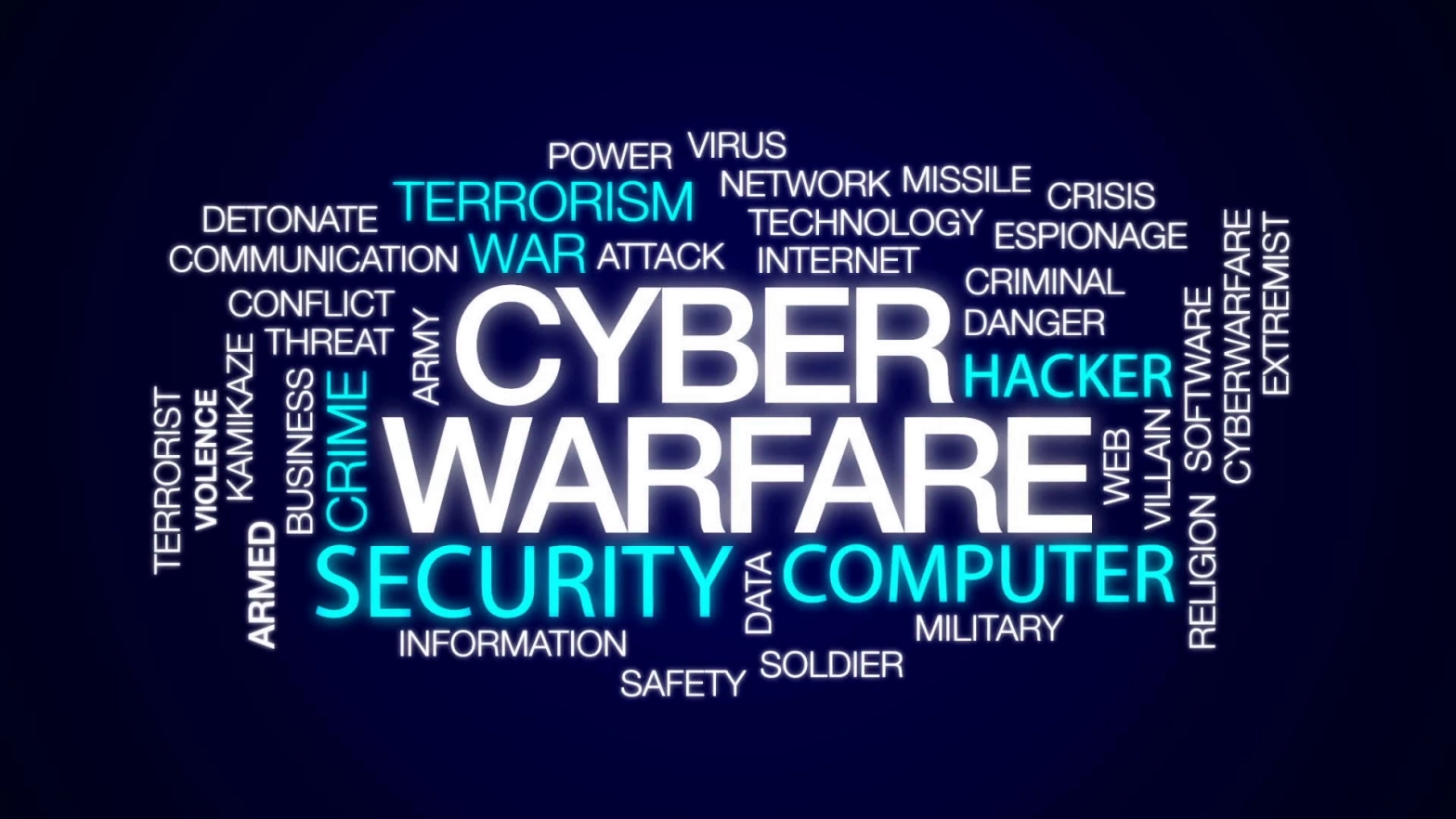
In the rapidly advancing digital era, cyber warfare has emerged as one of the most significant threats to global security. Unlike traditional warfare, cyber warfare operates in the unseen realm of cyberspace, where nations, organizations, and non-state actors engage in hostile activities to disrupt, damage, or manipulate critical systems. This article delves into the essence of cyber warfare, its attack methods, notable examples, and effective defense strategies.
What Is Cyber Warfare?
Cyber warfare refers to the use of digital attacks by one nation-state (or affiliated groups) against another to cause disruption, espionage, or sabotage. These attacks target government systems, critical infrastructure, military operations, and civilian entities. The ultimate goal is to compromise national security, destabilize economies, or spread propaganda.
Despite its widespread usage, there is no universally agreed-upon definition of cyber warfare. The U.S. Department of Defense acknowledges cyber threats but stops short of classifying specific incidents as acts of war unless they cause significant physical damage or loss of life.
Types of Cyber Warfare Attacks
1. Espionage
Espionage involves infiltrating computer networks to steal sensitive information. This can include military secrets, corporate data, or classified government files. Techniques like spear-phishing, malware, and botnets are common tools for cyber spies.
2. Sabotage
Sabotage aims to damage or disrupt critical infrastructure. This could mean disabling power grids, corrupting military communication systems, or compromising financial networks to cause widespread chaos.
3. Denial-of-Service (DoS) and Distributed Denial-of-Service (DDoS) Attacks
DoS and DDoS attacks flood systems with overwhelming traffic, rendering websites and networks inaccessible. This tactic is often used to disrupt essential services during political unrest or military conflicts.
4. Power Grid Attacks
Targeting electrical grids can cripple a nation’s infrastructure, leading to blackouts, economic losses, and compromised emergency services. Such attacks have the potential to cause physical harm indirectly.
5. Propaganda Attacks
Propaganda campaigns manipulate public perception by spreading disinformation or fake news, often via social media platforms. The goal is to influence political outcomes or destabilize societal trust.
6. Economic Disruption
Cyber attacks targeting banks, stock markets, and financial institutions can destabilize economies. Threat actors may steal funds, manipulate transactions, or disrupt payment systems.
7. Surprise Attacks (Cyber Pearl Harbor)
These large-scale, unexpected attacks aim to cause maximum disruption quickly, often as a prelude to military operations or political maneuvers.
Notable Examples of Cyber Warfare Operations
- Stuxnet (2010): A sophisticated worm allegedly developed by the U.S. and Israel to sabotage Iran’s nuclear program.
- Sony Pictures Hack (2014): Attributed to North Korean hackers, this attack exposed confidential data following the release of “The Interview,” a film critical of North Korea.
- Estonia Cyber Attacks (2007): A series of DoS attacks targeting Estonia’s government, financial institutions, and media, believed to be linked to Russian hackers.
- Ukraine Power Grid Attack (2015): Russian-linked hackers disabled parts of Ukraine’s power grid, causing widespread outages.
How to Combat Cyber Warfare
1. Cyber Wargames and Risk Assessments
Simulated cyber wargames help governments and organizations test their defenses, identify vulnerabilities, and improve response strategies during crises.
2. Layered Defense Approach
Implementing a multi-layered security framework protects against diverse cyber threats. This includes firewalls, intrusion detection systems, encryption, and endpoint protection.
3. Public-Private Partnerships
Collaboration between governments and private sectors enhances information sharing and threat intelligence, fostering stronger collective cybersecurity resilience.
4. International Cooperation and Legal Frameworks
Global treaties, like the Tallinn Manual, guide the application of international law to cyber operations. However, more comprehensive agreements are needed to regulate state behavior in cyberspace.
5. Rapid Incident Response
Organizations should establish incident response teams capable of quickly identifying, containing, and mitigating cyber threats to minimize damage.
The Future of Cyber Warfare
As technology evolves, so do the tactics of cyber warfare. The rise of artificial intelligence, quantum computing, and the Internet of Things (IoT) will introduce new vulnerabilities and opportunities for cyber conflicts. Nations must invest in cybersecurity infrastructure, workforce development, and global cooperation to navigate these emerging threats.
Final Thoughts
Cyber warfare is an ever-evolving battleground with profound implications for national security, economic stability, and global peace. Understanding its complexities, recognizing the signs of cyber aggression, and building robust defense mechanisms are crucial steps for both governments and organizations worldwide.
By staying informed and proactive, we can mitigate the risks of cyber warfare and safeguard our digital future.