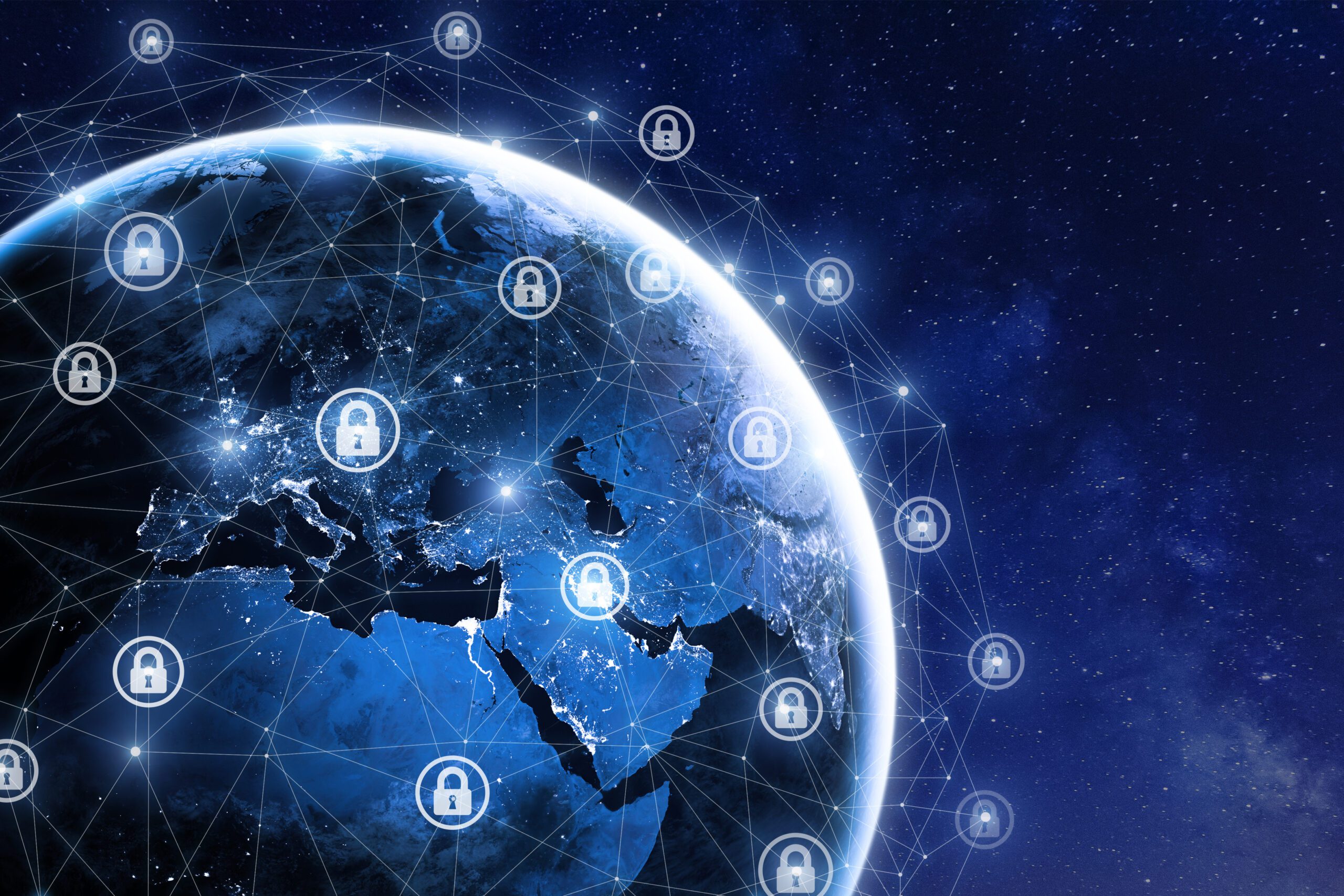
As the digital landscape evolves, the 2025 Global Cybersecurity Outlook, published by the World Economic Forum, underscores the growing complexity of cyberspace. Escalating geopolitical tensions, rapid technological advancements, and increasing regulatory requirements are reshaping cybersecurity challenges and responses worldwide.
Understanding Complexity in Cyberspace
Key Drivers of Complexity
- Geopolitical Tensions: Conflicts across borders contribute to heightened cyber risks, including espionage and infrastructure attacks.
- Emerging Technologies: Rapid adoption of AI, quantum computing, and IoT devices introduces new vulnerabilities and threat vectors.
- Regulatory Pressures: Fragmented global regulations increase compliance challenges for organizations.
- Supply Chain Dependencies: Interdependencies within supply chains amplify risks from third-party vulnerabilities.
- Skills Gap: The cybersecurity workforce deficit exacerbates the challenges of addressing these threats effectively.
The Cyberthreat Landscape
The report highlights the escalation in cyber risks:
- Ransomware Dominance: Ransomware continues to be the top concern for organizations globally.
- AI-Augmented Threats: Generative AI enables more sophisticated phishing and social engineering campaigns.
- Cybercrime-as-a-Service (CaaS): Criminal groups increasingly offer tools and services, lowering the entry barriers for cybercriminals.
- Supply Chain Attacks: Vulnerabilities in software and third-party systems pose significant risks.
Evolving Cybercrime Dynamics
Organized crime groups are merging traditional violent tactics with cyber-enabled fraud, expanding the scope and impact of cyberattacks. Examples include the forced labor scam farms in Southeast Asia and deepfake-powered fraud schemes.
The State of Cyber Resilience
Disparities in Resilience
The report highlights inequities in cybersecurity readiness:
- Small vs. Large Organizations: While larger entities report improved resilience, 35% of small organizations cite insufficient cyber capabilities.
- Regional Differences: Confidence in critical infrastructure protection varies, with higher preparedness in Europe and North America compared to Africa and Latin America.
- Sectoral Variations: Financial services lead in resilience, while public sectors and manufacturing lag due to resource constraints.
Importance of Leadership
Organizations with high cyber resilience benefit from:
- Regular board-level updates on cybersecurity trends.
- Strong alignment between security functions and business strategies.
- Robust incident response mechanisms emphasizing transparency and collaboration.
Navigating the Challenges Ahead
AI and Cybersecurity
AI presents a double-edged sword:
- Opportunities: AI enhances threat detection, vulnerability management, and operational efficiency.
- Risks: Lack of safeguards for AI systems increases exposure to adversarial exploitation. Only 37% of organizations currently assess AI tools before deployment.
Quantum Computing
Quantum advancements threaten traditional encryption methods. Organizations must prioritize:
- Adoption of post-quantum cryptography (PQC).
- Implementation of quantum-resilient standards and technologies.
- Education and preparation for quantum threats.
Regulatory Landscape
While regulations bolster resilience, fragmented policies complicate compliance. Harmonizing global standards and promoting public-private collaboration are vital for effective implementation.
Building a Secure Future
To address the multifaceted challenges of 2025 and beyond, organizations must:
- Invest in Cyber Workforce Development: Bridge the skills gap through training and capacity-building.
- Enhance Supply Chain Security: Improve visibility and enforce stringent security measures for third-party providers.
- Adopt Advanced Technologies: Leverage AI, blockchain, and automation to strengthen defenses.
- Foster Ecosystem Collaboration: Share threat intelligence and best practices across industries and borders.
- Focus on Incident Resilience: Develop robust response strategies and foster a culture of continuous improvement.
Conclusion
The Global Cybersecurity Outlook 2025 serves as a call to action for leaders worldwide. By addressing inequities, embracing innovation, and fostering collaboration, we can navigate the complexity of cyberspace and build a resilient digital future.
Discover more insights on cybersecurity advancements at CyberSnowden.