

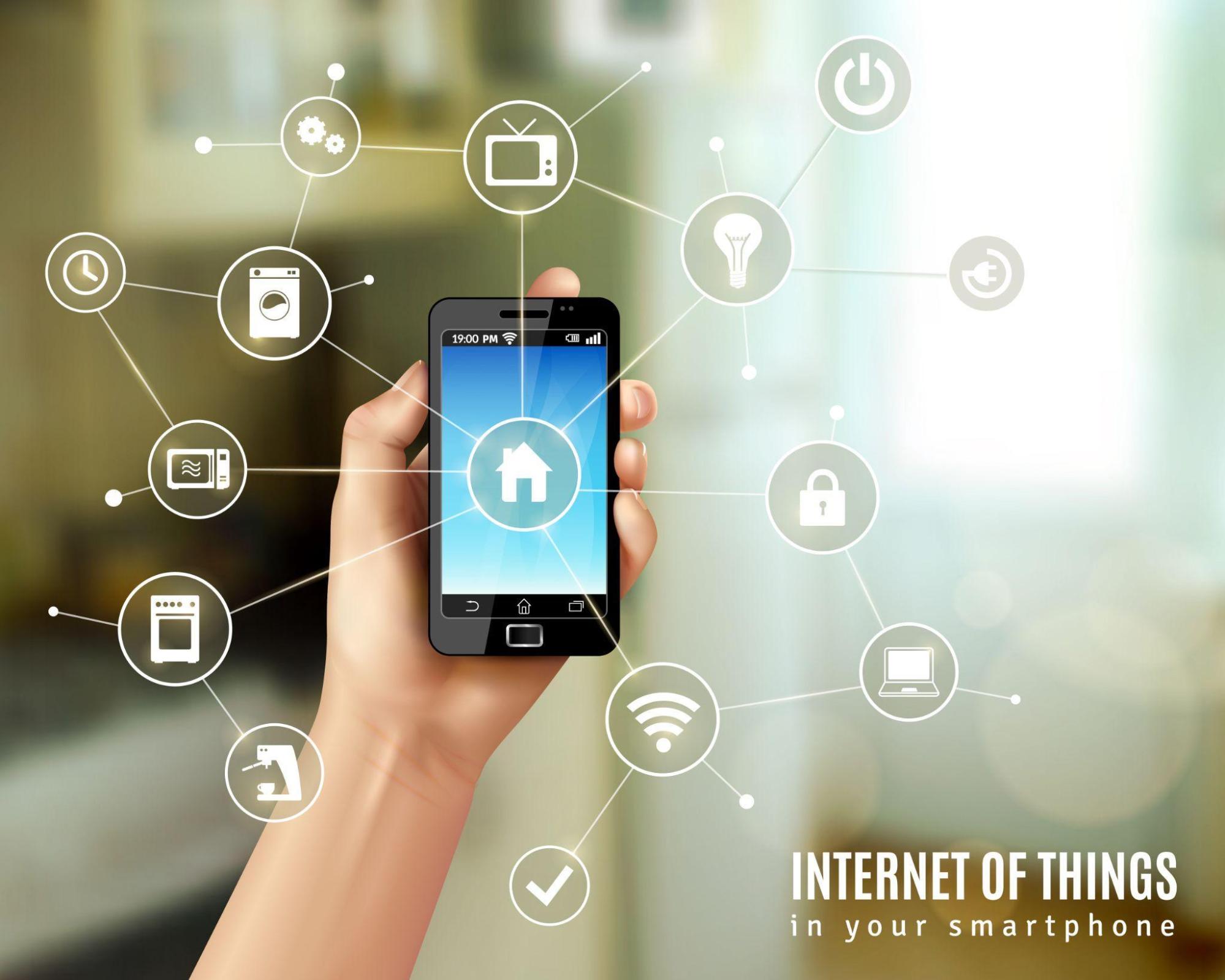
Smart home technology has become increasingly popular among homeowners in today’s digital age. The possibilities for enhancing convenience, security, and energy efficiency in the home are endless, from smart thermostats and security cameras to voice-activated assistants and connected appliances. However, a reliable and high-speed internet connection is essential for smart home devices to function optimally and seamlessly communicate with each other and the internet. This is where fiber internet comes into play, offering unmatched speed, reliability, and bandwidth to support the demands of a smart home ecosystem.
Understanding Fiber Internet
Fiber internet, or fiber-optic broadband, utilizes fiber-optic cables to transmit data at breakneck speeds. Unlike traditional broadband connections that rely on copper wires, fiber internet uses thin strands of glass or plastic to carry data using light signals. This technology allows for significantly higher data transmission speeds, reduced latency, and improved reliability compared to other types of internet connections.
The Benefits of Fiber Internet for Smart Homes
Fiber internet offers numerous benefits for smart homes, including high-speed connectivity, low latency, and reliability. With speeds up to 1 gigabit per second (Gbps) or more, fiber-optic connections can easily handle the bandwidth demands of smart devices without slowdowns or buffering. Additionally, fiber internet provides low latency, ensuring rapid communication between devices and cloud-based services. Its reliability means consistent performance, even during peak usage times. Overall, fiber internet enhances the functionality and efficiency of smart home technology, enabling seamless integration and optimal performance for a wide range of connected devices.
High-Speed Connectivity
One of the primary advantages of fiber internet for smart homes is its unparalleled speed. With speeds reaching up to 1 gigabit per second (Gbps) or more, fiber-optic connections can handle the bandwidth-intensive requirements of smart home devices without experiencing slowdowns or buffering. Whether streaming 4K video, conducting video calls, or downloading large files, fiber internet ensures a smooth and uninterrupted online experience for all connected devices.
Low Latency
Latency, or the delay between sending and receiving data packets, can impact smart home devices’ performance, particularly those requiring real-time responsiveness, such as security cameras or intelligent lighting systems. Fiber internet offers significantly lower latency compared to other types of connections, minimizing delays and ensuring rapid communication between devices and the cloud-based services they rely on.
Reliability
Fiber-optic cables are less susceptible to interference from electromagnetic signals, inclement weather, or physical damage than copper cables. As a result, fiber internet connections tend to be more reliable and consistent, with fewer outages or disruptions. This reliability is crucial for smart home systems that rely on a continuous internet connection, such as security systems or remote monitoring devices, to function effectively.
Scalability
As the number of connected devices in a smart home grows, so does the demand for bandwidth. Fiber internet offers scalability, allowing homeowners to easily accommodate additional devices and applications without experiencing a degradation in performance. Whether adding intelligent appliances, sensors, or entertainment systems, fiber-optic connections can support the expanding needs of a modern smart home ecosystem.
Symmetrical Upload and Download Speeds
Unlike other internet connections that offer asymmetrical speeds, where the upload speed is significantly slower than the download speed, fiber internet typically provides symmetrical speeds. This means that data can be uploaded to the internet at the same high speeds as downloading, which is beneficial for cloud backups, video conferencing, and home automation tasks that involve sending commands to smart devices.
How Fiber Internet Enhances Specific Smart Home Applications
Fiber internet enhances specific smart home applications by providing high-speed, low-latency connectivity, which is crucial for real-time communication between devices. Fibre internet ensures prompt alerts and seamless video streaming for security systems, such as smart cameras and motion sensors. Similarly, bright lighting and thermostat systems benefit from instantaneous commands and responsiveness, enhancing comfort and energy efficiency. Home entertainment setups, including streaming services and gaming consoles, also benefit from fiber’s ability to handle large amounts of data without lag or buffering. Overall, fiber internet elevates the performance and reliability of various smart home applications, delivering a truly connected and seamless experience.
Video Streaming and Entertainment
With the proliferation of streaming services and the increasing popularity of 4K and HDR content, a robust internet connection is essential for uninterrupted viewing experiences. Fiber internet’s high-speed and low-latency characteristics ensure smooth streaming of high-quality video content on smart TVs, media players, and gaming consoles, enhancing the entertainment capabilities of a smart home.
Home Security and Surveillance
Smart home security systems rely on internet connectivity for real-time monitoring and alerts. Fiber internet’s reliability and low latency are particularly advantageous for security cameras and motion sensors, allowing homeowners to access live video feeds remotely, receive instant notifications of suspicious activity, and interact with visitors via two-way audio communication.
Home Automation and Control
Centralized smart home hubs, such as voice-activated assistants or dedicated smart home controllers, serve as the command center for managing connected devices and automating various tasks. Fiber internet ensures responsive control and seamless communication between the hub and individual smart devices, enabling users to adjust lighting, temperature, and other settings with minimal delay.
Remote Work and Telecommuting
As more individuals work remotely or conduct business from home offices, reliable internet connectivity is crucial for productivity and collaboration. Fiber internet’s high-speed capabilities facilitate smooth video conferencing, file sharing, and cloud-based applications, allowing remote workers to stay connected and productive without experiencing lags or connectivity issues.
Choosing the Right Fiber Internet Provider
When considering fiber internet options for a smart home, it’s essential to research and compare providers to find the best fit for your needs. One notable provider that offers fiber-optic broadband is ViaSat Internet. ViaSat Internet provides high-speed internet service via satellite, offering competitive speeds and reliable connectivity for residential and commercial customers.
ViaSat Internet Plans
ViaSat Internet offers a range of plans to suit different usage requirements and budgets. Whether you are a casual internet user or a heavy streamer with multiple connected devices, ViaSat Internet has options to accommodate your needs. Some key features of ViaSat Internet plans include:
- High-speed internet with speeds up to 100 Mbps or more
- Unlimited data usage with no hard data caps or overage fees
- Professional installation and equipment included
- Flexible contract options with no long-term commitments
By choosing ViaSat Internet as your fiber internet provider, you can enjoy the benefits of ultra-fast and reliable connectivity for your smart home devices, enhancing your overall smart home experience.
Conclusion
Fiber internet plays a crucial role in the success and functionality of smart home technology. Its high speed, low latency, and reliable connectivity ensure seamless communication between connected devices, enabling homeowners to enjoy enhanced convenience, security, and efficiency in their daily lives. Whether streaming content, monitoring home security, or automating household tasks, fiber internet provides the foundation for a truly interconnected and intelligent home environment. With providers like ViaSat Internet offering competitive fiber-optic broadband options, homeowners can take full advantage of fiber internet’s benefits to their smart homes.
