Introduction
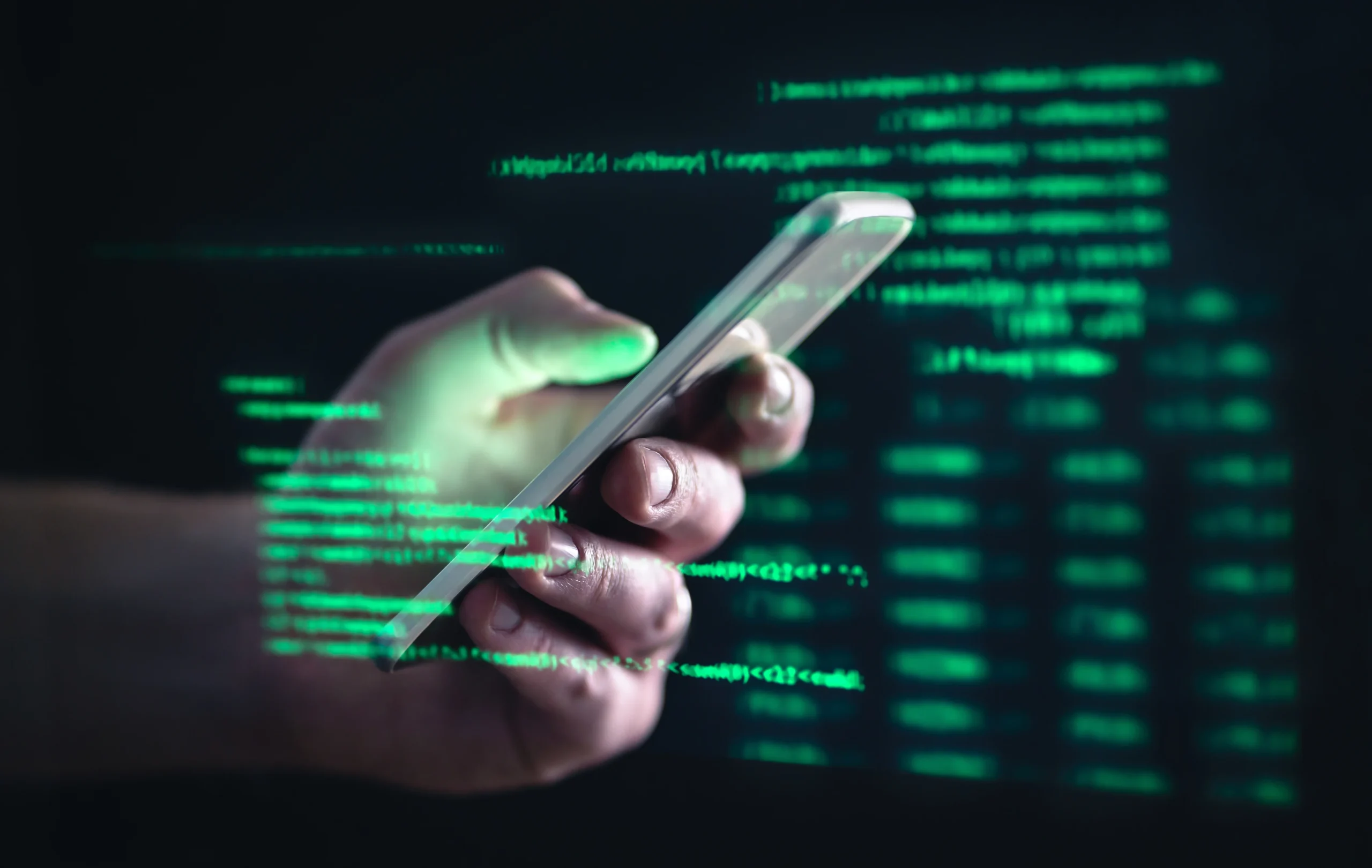
The rise of consumer-grade spyware apps, often marketed as parental monitoring tools, has raised ethical and security concerns. These applications, commonly referred to as stalkerware, allow users to track a device’s location, monitor calls and messages, and even access social media activity without the target’s consent. While their intended use may be for parental control or device security, the presence of military-grade spyware in these apps poses a severe threat to privacy and cybersecurity.
What is Military-Grade Spyware?
Military-grade spyware refers to surveillance software developed for government or intelligence use, designed to infiltrate devices undetected, extract sensitive data, and provide real-time surveillance. These programs often exploit zero-day vulnerabilities, bypass encryption, and offer remote control capabilities. Pegasus, developed by NSO Group, is a prime example of spyware used by law enforcement and government agencies to track high-profile targets. However, the infiltration of such technology into commercial stalkerware apps has led to significant security risks for individuals.
The Growing Market for Stalkerware Apps
Stalkerware applications have become widely available, often disguised as legitimate tools for parental monitoring or employee surveillance. Some of the most well-known apps include:
- mSpy – Provides real-time tracking, call monitoring, and access to social media chats.
- MobileSpy.at – Offers live GPS tracking, call recordings, and social media monitoring.
- FlexiSpy – Known for its advanced espionage capabilities, including keystroke logging and remote access.
- Hoverwatch – A stealth-mode tracking tool that records calls, messages, and app activity.
- uMobix – Grants access to Instagram and Facebook accounts, allowing manipulation of settings and contacts.
While these applications are often marketed for parental control, their features closely resemble those of government-grade surveillance software, making them potential tools for cyberstalking and unauthorized spying.
Privacy and Security Concerns
The integration of military-grade spyware into consumer apps raises alarming concerns:
- Unauthorized Data Collection – Many spyware apps harvest vast amounts of personal data, including messages, call logs, and GPS locations, often without the user’s knowledge.
- Exploitation of Vulnerabilities – Spyware apps exploit security loopholes in mobile operating systems, making devices more susceptible to hacking.
- Lack of Transparency – Many stalkerware providers operate under questionable legal frameworks, making it difficult to hold them accountable.
- Potential for Misuse – Such apps can be misused for stalking, harassment, and even corporate espionage.
Legal and Ethical Implications
Many governments and cybersecurity organizations have taken action against the proliferation of stalkerware:
- Google and Apple have removed several stalkerware apps from their stores due to privacy concerns.
- The FTC (Federal Trade Commission) has cracked down on companies that facilitate the distribution of unauthorized surveillance tools.
- Amnesty International and Citizen Lab have raised awareness about the dangers of spyware, urging stricter regulations.
Despite these efforts, many spyware applications continue to thrive in underground markets, and their developers constantly find ways to bypass detection and regulation.
How to Protect Yourself Against Stalkerware
If you suspect that your device may be infected with spyware, follow these steps:
- Check for Unusual Activity – Look for excessive battery drain, unexplained data usage, or apps running in the background without permission.
- Review App Permissions – Examine the permissions granted to installed apps and remove any that seem unnecessary or suspicious.
- Run Anti-Spyware Scans – Use security apps like Malwarebytes or Certo to detect and remove spyware.
- Keep Your Software Updated – Regularly update your operating system to patch security vulnerabilities.
- Factory Reset if Necessary – If you suspect persistent surveillance, a full factory reset may be required to remove hidden spyware.
Related reading: monitoring software for iPhone.
Conclusion
The presence of military-grade spyware in consumer stalkerware apps presents a significant privacy and security threat. While these applications may serve legitimate purposes, their misuse for unauthorized surveillance is a growing concern. As cyber threats evolve, regulatory measures, public awareness, and strong security practices are crucial to combating the dangers posed by invasive surveillance software.
Do you think governments are doing enough to regulate spyware? Share your thoughts in the comments below.