Introduction
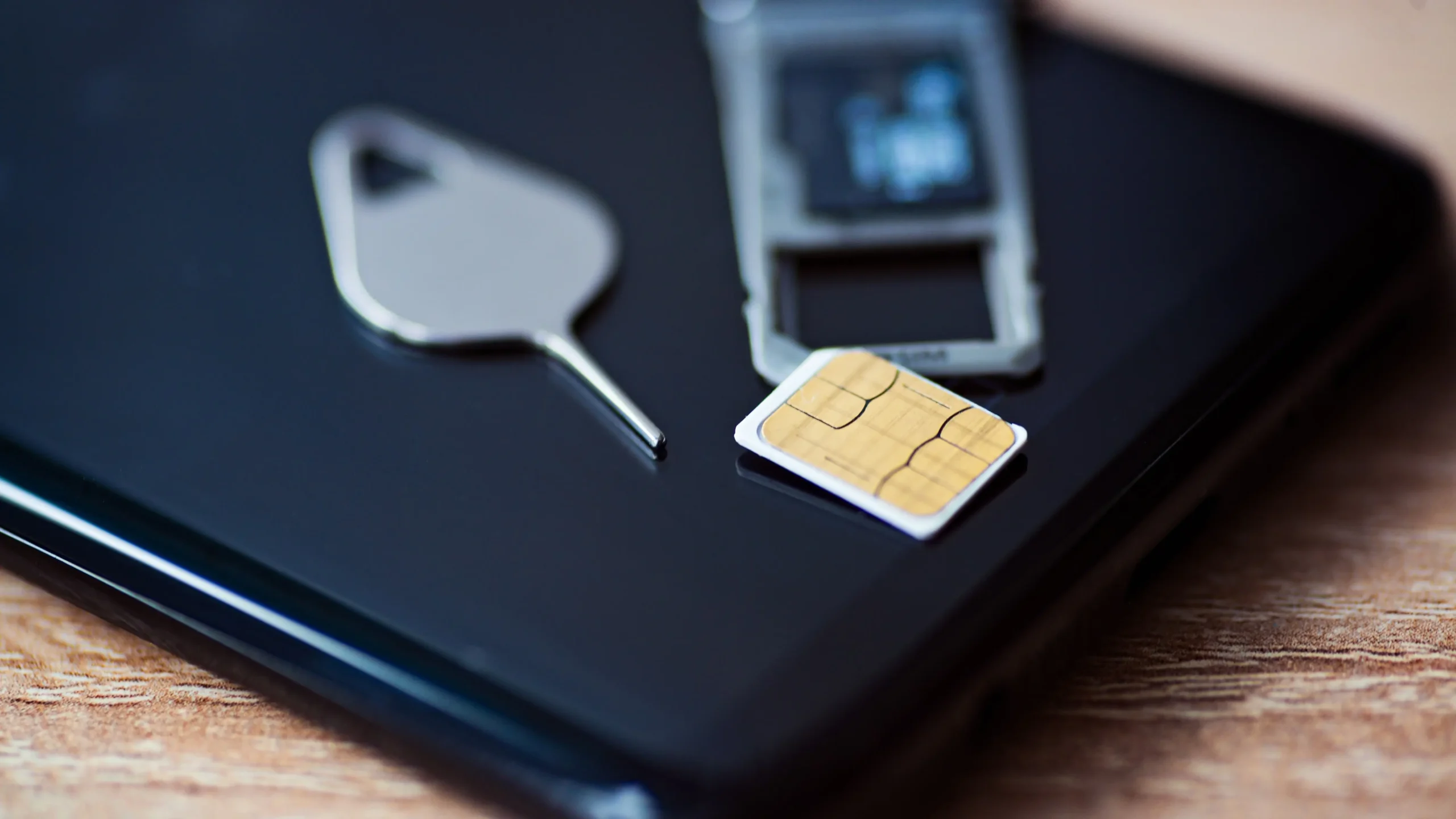
For activists, journalists, and human rights defenders, mobile security is a critical concern. SIM-jacking, also known as SIM swapping, is a dangerous attack method used by cybercriminals and oppressive regimes to hijack phone numbers, intercept sensitive communications, and gain unauthorized access to online accounts. If an attacker successfully executes a SIM-jacking attack, they can reset passwords, bypass multi-factor authentication (MFA), and even impersonate the victim.
Given the high-risk nature of activism, it is crucial to implement robust countermeasures against SIM-jacking. This guide provides essential steps to help activists protect their mobile identities and ensure their communications remain secure.
Understanding SIM-Jacking
SIM-jacking is a social engineering attack where an attacker convinces or coerces a mobile carrier into transferring a victim’s phone number to a new SIM card controlled by the attacker. Once they gain control, they can:
- Intercept SMS-based authentication codes.
- Take over social media, email, and banking accounts.
- Monitor private communications.
- Disable or compromise secure messaging apps.
Attackers often exploit weak customer authentication protocols at telecom providers, making it essential for activists to proactively secure their accounts.
Essential SIM-Jacking Countermeasures for Activists
1. Use Secure Multi-Factor Authentication (MFA)
- Avoid SMS-based authentication whenever possible.
- Use app-based authenticators like Google Authenticator, Authy, or Aegis Authenticator.
- Prefer hardware security keys (e.g., YubiKey) for highly sensitive accounts.
2. Lock Your SIM Card with a PIN
- Set up a strong PIN code for your SIM card to prevent unauthorized swapping.
- On most devices, you can enable this under Settings > Security > SIM card lock.
3. Enable a Mobile Carrier PIN/Passcode
- Contact your mobile carrier and request a PIN or passcode that must be provided before making any changes to your account.
- Ensure this passcode is unique and not easily guessed.
4. Use Encrypted Messaging Apps
- Avoid SMS for sensitive communications.
- Use end-to-end encrypted messaging apps such as Signal or WhatsApp.
- Enable Registration Lock on Signal to prevent unauthorized account takeovers.
5. Monitor and Limit Personal Data Exposure
- Minimize the amount of personal information shared online, especially phone numbers.
- Remove your phone number from public records, social media, and WHOIS domain registrations.
- Use a secondary number for non-critical online services.
6. Set Up Alternative Contact Methods
- Register email-based or app-based recovery options for your accounts instead of phone numbers.
- Maintain a backup phone number (preferably from a secure VoIP provider).
7. Watch for Warning Signs of SIM-Jacking
- Unexpected loss of mobile service.
- Unusual password reset notifications.
- Unauthorized login attempts on your accounts.
- Calls or texts from your mobile carrier regarding account changes you didn’t request.
8. Act Quickly If You Suspect SIM-Jacking
- Immediately contact your mobile carrier and report unauthorized changes.
- Log into your accounts and reset passwords.
- Remove your phone number from account recovery options.
- Notify key contacts and organizations of the potential breach.
Advanced Protection Measures
For activists facing high-level threats, additional precautions may be necessary:
- Use a Privacy-Focused Mobile Carrier: Some telecom providers offer enhanced security features, such as strict identity verification before making account changes.
- Consider a Secondary Secure Device: Keep a separate phone with a different number for activism-related communications.
- Employ Secure Communication Tools: Use services like Tails OS, VPNs, and Tor for anonymous and encrypted internet access.
- Regularly Audit Your Security: Perform routine security checks on your devices, accounts, and mobile carrier settings.
Conclusion
SIM-jacking remains a serious threat, especially for activists working in high-risk environments. By implementing these countermeasures, you can significantly reduce the risk of falling victim to SIM-swapping attacks and protect your sensitive information. Prioritize secure authentication methods, limit your digital footprint, and stay vigilant against potential threats.
In a world where digital security is crucial, taking proactive steps today can safeguard your communications and online identity from malicious actors.