

Close Menu
    Cyber SnowdenCyber Snowden
    • Cyber Security
    • Cloud Security
    • Internet of Things
    • Technology
    • Tips & Threats
    • Business
    • Free Check
    Cyber SnowdenCyber Snowden
    Top ArticlesHome » What Is a Cyber Security Health Check and Why Businesses Need It
    Meta Title: Cyber Security Health Check Guide for Businesses Meta Description: Discover what a cyber security health check is, why businesses need it, and how it strengthens digital defences. What Is a Cyber Security Health Check and Why Businesses Need It Summary Cyber security health checks help organisations uncover weaknesses in their defences before attackers exploit them. By identifying risks, ensuring compliance, and providing clear improvement plans, businesses can build resilience and maintain trust with clients. What is a Cyber Security Health Check? A cyber security health check is a comprehensive assessment of your organisation’s digital defences. It evaluates networks, systems, policies, and processes to uncover vulnerabilities. Think of it as a routine medical exam for your IT environment. Instead of spotting physical issues, it highlights weak points in cyber protection, from outdated software to poor incident response plans. Most assessments align with recognised frameworks such as NIST or NCSC, giving businesses a benchmark against industry standards. Why Businesses Need a Cyber Security Health Check Cyber threats are becoming more frequent and more sophisticated. Even with security measures in place, blind spots often exist that only an external review can identify. Key reasons businesses invest in cyber health checks: Rising threat levels: UK businesses are attacked daily through phishing, ransomware, and malware. Compliance pressure: Regulations such as GDPR and Cyber Essentials require strong security practices. Business continuity: A breach can halt operations and damage reputation. Proactive defence: Early detection prevents costly incidents and builds resilience. What Does a Cyber Security Health Check Include? A health check provides an in-depth report on your current security posture. It typically covers: Cyber risk management: Understanding threats that pose the biggest risk to your business. Technical controls: Firewalls, endpoint protection, and patch management effectiveness. Vulnerability scans: Identifying weak points in systems and networks. Incident response readiness: How well your business can detect, respond, and recover. Compliance checks: Ensuring your practices align with data protection and regulatory standards. Staff awareness: Recommendations for training to reduce human error in security breaches. Cyber Health Check vs Cyber Security Audit While both provide value, they differ in depth and focus. Option Key features Best for Cyber Security Audit One-time review of IT infrastructure, real-time analysis, snapshot of security posture Businesses seeking a compliance check or basic risk review Cyber Security Health Check Ongoing, in-depth evaluation including vulnerability scans, risk management, incident response planning Organisations seeking a proactive and strategic improvement plan Managed Security Assessment Continuous monitoring, threat detection, consultancy support Businesses with high regulatory requirements or complex IT environments When Should a Business Get a Cyber Security Health Check? Experts recommend conducting one at least every 6–12 months. You should also arrange a check when: Deploying new IT systems or software. Expanding into cloud services. Handling sensitive customer or financial data. Experiencing rapid growth or organisational change. Regular reviews ensure your business adapts as threats evolve. Conclusion A cyber security health check is not just a compliance exercise. It is a proactive strategy that protects your business from costly breaches, ensures regulatory alignment, and strengthens client trust. By uncovering vulnerabilities and providing a clear roadmap, it allows organisations to stay resilient in a constantly changing threat landscape. Frequently Asked Questions What is the main purpose of a cyber security health check? To identify vulnerabilities and provide actionable recommendations that strengthen your organisation’s security posture. How often should a business carry out a health check? At least once a year, but more frequently if major IT changes or compliance updates occur. Who performs a cyber security health check? Specialist cyber security consultants or managed service providers with expertise in frameworks like NIST and ISO27001. Is a health check different from penetration testing? Yes. Penetration testing simulates attacks on specific systems, while a health check provides a broader assessment of overall cyber resilience. Does a cyber health check help with GDPR compliance? Yes. It highlights gaps in data protection practices, helping businesses align with GDPR and similar regulations. How long does a cyber security health check take? This varies by business size but typically ranges from a few days to several weeks depending on scope. Can small businesses benefit from a cyber health check? Absolutely. Small firms are often targeted due to weaker defences, making regular checks essential.

    What Is a Cyber Security Health Check and Why Businesses Need It

    0
    By Cyber Snowden Editorial Team on August 27, 2025 Cyber Security, News

    Summary

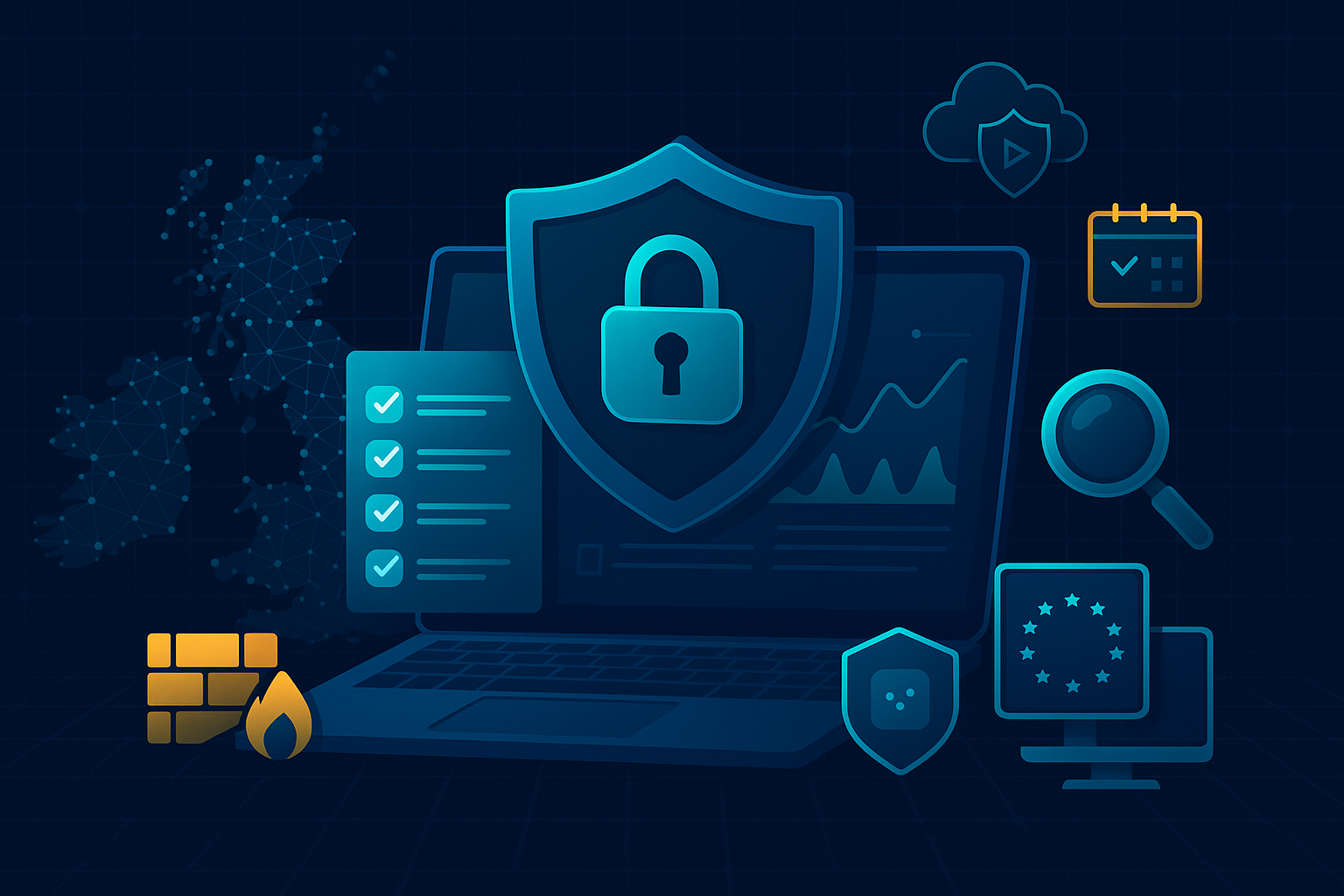
    Cyber security health checks help organisations uncover weaknesses in their defences before attackers exploit them. By identifying risks, ensuring compliance, and providing clear improvement plans, businesses can build resilience and maintain trust with clients.

    Table of Contents hide
    Summary
    What is a Cyber Security Health Check?
    Why Businesses Need a Cyber Security Health Check
    Key reasons businesses invest in cyber health checks:
    What Does a Cyber Security Health Check Include?
    Cyber Health Check vs Cyber Security Audit
    When Should a Business Get a Cyber Security Health Check?
    Conclusion
    Frequently Asked Questions

    What is a Cyber Security Health Check?

    A cyber security health check is a comprehensive assessment of your organisation’s digital defences. It evaluates networks, systems, policies, and processes to uncover vulnerabilities.

    Think of it as a routine medical exam for your IT environment. Instead of spotting physical issues, it highlights weak points in cyber protection, from outdated software to poor incident response plans.

    Most assessments align with recognised frameworks such as NIST or NCSC, giving businesses a benchmark against industry standards.

    Why Businesses Need a Cyber Security Health Check

    Cyber threats are becoming more frequent and more sophisticated. Even with security measures in place, blind spots often exist that only an external review can identify.

    Key reasons businesses invest in cyber health checks:

    • Rising threat levels: UK businesses are attacked daily through phishing, ransomware, and malware. 
    • Compliance pressure: Regulations such as GDPR and Cyber Essentials require strong security practices. 
    • Business continuity: A breach can halt operations and damage reputation. 
    • Proactive defence: Early detection prevents costly incidents and builds resilience. 

    What Does a Cyber Security Health Check Include?

    A health check provides an in-depth report on your current security posture. It typically covers:

    • Cyber risk management: Understanding threats that pose the biggest risk to your business. 
    • Technical controls: Firewalls, endpoint protection, and patch management effectiveness. 
    • Vulnerability scans: Identifying weak points in systems and networks. 
    • Incident response readiness: How well your business can detect, respond, and recover. 
    • Compliance checks: Ensuring your practices align with data protection and regulatory standards. 
    • Staff awareness: Recommendations for training to reduce human error in security breaches. 

    Cyber Health Check vs Cyber Security Audit

    While both provide value, they differ in depth and focus.

    OptionKey featuresBest for
    Cyber Security AuditOne-time review of IT infrastructure, real-time analysis, snapshot of security postureBusinesses seeking a compliance check or basic risk review
    Cyber Security Health CheckOngoing, in-depth evaluation including vulnerability scans, risk management, incident response planningOrganisations seeking a proactive and strategic improvement plan
    Managed Security AssessmentContinuous monitoring, threat detection, consultancy supportBusinesses with high regulatory requirements or complex IT environments

    When Should a Business Get a Cyber Security Health Check?

    Experts recommend conducting one at least every 6–12 months. You should also arrange a check when:

    • Deploying new IT systems or software. 
    • Expanding into cloud services. 
    • Handling sensitive customer or financial data. 
    • Experiencing rapid growth or organisational change. 

    Regular reviews ensure your business adapts as threats evolve.

    Conclusion

    A cyber security health check is not just a compliance exercise. It is a proactive strategy that protects your business from costly breaches, ensures regulatory alignment, and strengthens client trust.

    By uncovering vulnerabilities and providing a clear roadmap, it allows organisations to stay resilient in a constantly changing threat landscape.

    Frequently Asked Questions

    What is the main purpose of a cyber security health check?
    To identify vulnerabilities and provide actionable recommendations that strengthen your organisation’s security posture.

    How often should a business carry out a health check?
    At least once a year, but more frequently if major IT changes or compliance updates occur.

    Who performs a cyber security health check?
    Specialist cyber security consultants or managed service providers with expertise in frameworks like NIST and ISO27001.

    Is a health check different from penetration testing?
    Yes. Penetration testing simulates attacks on specific systems, while a health check provides a broader assessment of overall cyber resilience.

    Does a cyber health check help with GDPR compliance?
    Yes. It highlights gaps in data protection practices, helping businesses align with GDPR and similar regulations.

    How long does a cyber security health check take?
    This varies by business size but typically ranges from a few days to several weeks depending on scope.

    Can small businesses benefit from a cyber health check?
    Absolutely. Small firms are often targeted due to weaker defences, making regular checks essential.

    Businesses Need Cyber Security Audit Cyber Security Health Check
    Previous ArticleThe Ultimate Guide to Cyber Security Acronyms in 2025
    Next Article How to Prepare for a Cyber Security Job Fair in 2025
    Cyber Snowden Editorial Team
    • Website

    The Cyber Snowden Editorial Team researches, writes and reviews guides on cybersecurity threats, tools, frameworks and careers. Every article is checked against official sources such as NIST, CISA and vendor documentation, and updated when standards or products change. Our goal is practical, plain-language security advice for business and IT teams.

    Related Posts

    Best Hardware Security Keys: YubiKey vs Titan vs Others

    November 4, 2026

    MOVEit Transfer Breach: How Cl0p Hit Hundreds of Organizations

    November 4, 2026

    Two-Factor Authentication Methods Compared: SMS, Apps, Keys and Passkeys

    November 4, 2026

    Cyber Security Resume and Cover Letter: Templates and Tips

    November 4, 2026
    Is your business cybersecurity-proof?

    Answer 20 quick questions and get a free score out of 100 with your top fixes. No email or sign-up needed.

    Take the free check
    Popular guides
    • All cybersecurity guides
    • Cloud security
    • Identity and access
    • Compliance frameworks
    • Tool comparisons
    Advertise with us
    Reach IT leaders and security teams
    • Guest posts
    • Sponsored articles
    • Content updates and partnerships
    See options and pricing
    Recent Posts
    • Best Hardware Security Keys: YubiKey vs Titan vs Others
    • MOVEit Transfer Breach: How Cl0p Hit Hundreds of Organizations
    • Two-Factor Authentication Methods Compared: SMS, Apps, Keys and Passkeys
    • Cyber Security Resume and Cover Letter: Templates and Tips
    • Best Authenticator Apps for iPhone and Android, Compared
    • About Us
    • Write for Us (Guest Post)
    • Guides
    • Cyber Attacks
    • Free Security Check
    • Contact Us
    • Privacy Policy
    • Terms
    © 2026 Cyber Snowden. Practical cybersecurity guides for businesses and teams.

    Type above and press Enter to search. Press Esc to cancel.