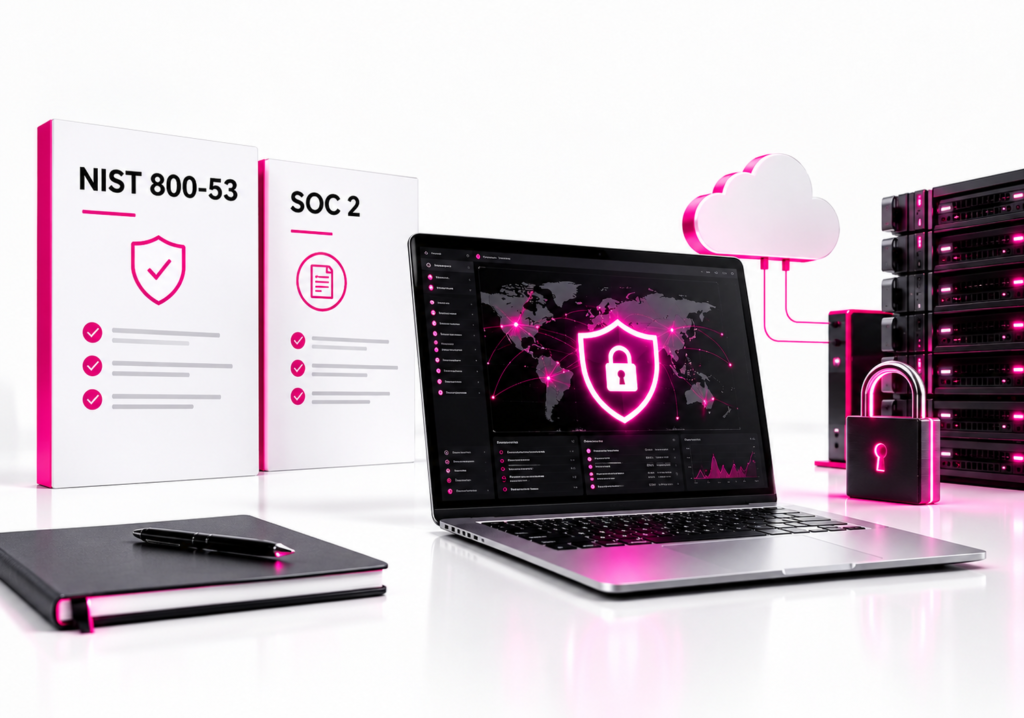
NIST 800-53 and SOC 2 controls both address security, but they serve different purposes. NIST SP 800-53 is a detailed catalog of security and privacy controls used for risk management, while SOC 2 is an independent examination and reporting framework built around the AICPA Trust Services Criteria. NIST is more prescriptive and customizable; SOC 2 focuses on demonstrating control design and effectiveness to customers and stakeholders. That distinction matters when a company is deciding which framework to implement. A SaaS company selling to enterprise customers may need a SOC 2 report to satisfy customer due diligence, while a federal contractor…
Author: Ali
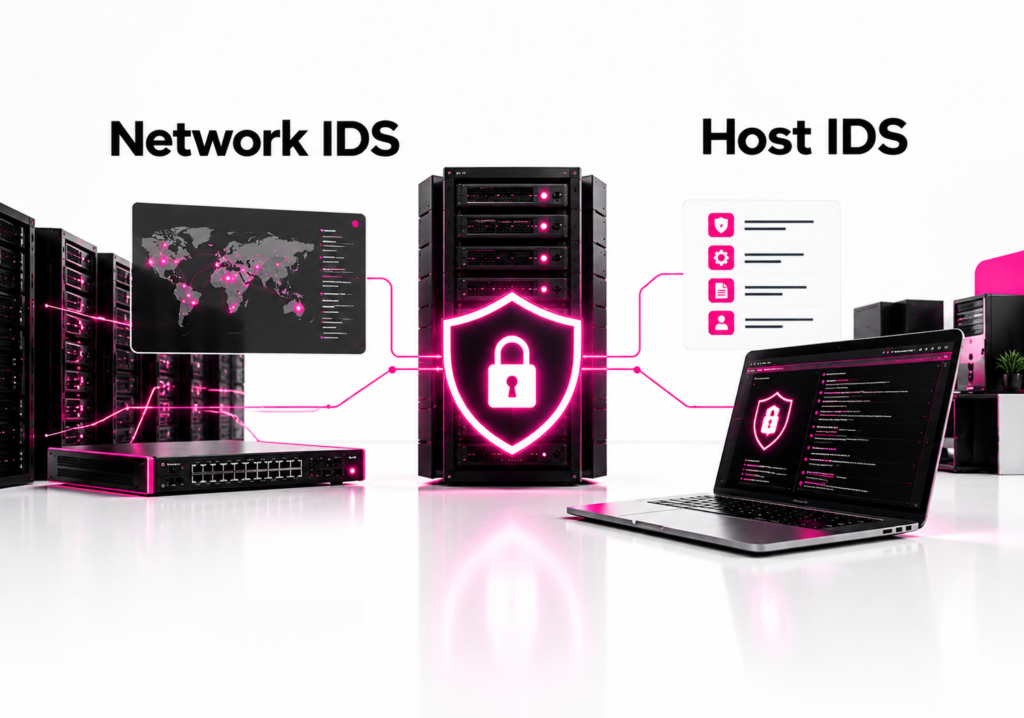
Network IDS (NIDS) monitors traffic moving across network segments, while host IDS (HIDS) monitors activity inside individual systems such as servers, workstations, and critical applications. Neither replaces the other: NIDS gives broad network visibility, while HIDS provides deeper host-level evidence. For most organizations, using both creates stronger detection coverage than choosing only one. Intrusion detection systems are designed to identify suspicious activity and generate alerts for investigation. NIST SP 800-94 separates network-based and host-based IDPS technologies according to the events they monitor and where they are deployed. The practical difference comes down to where the evidence exists. A network sensor…
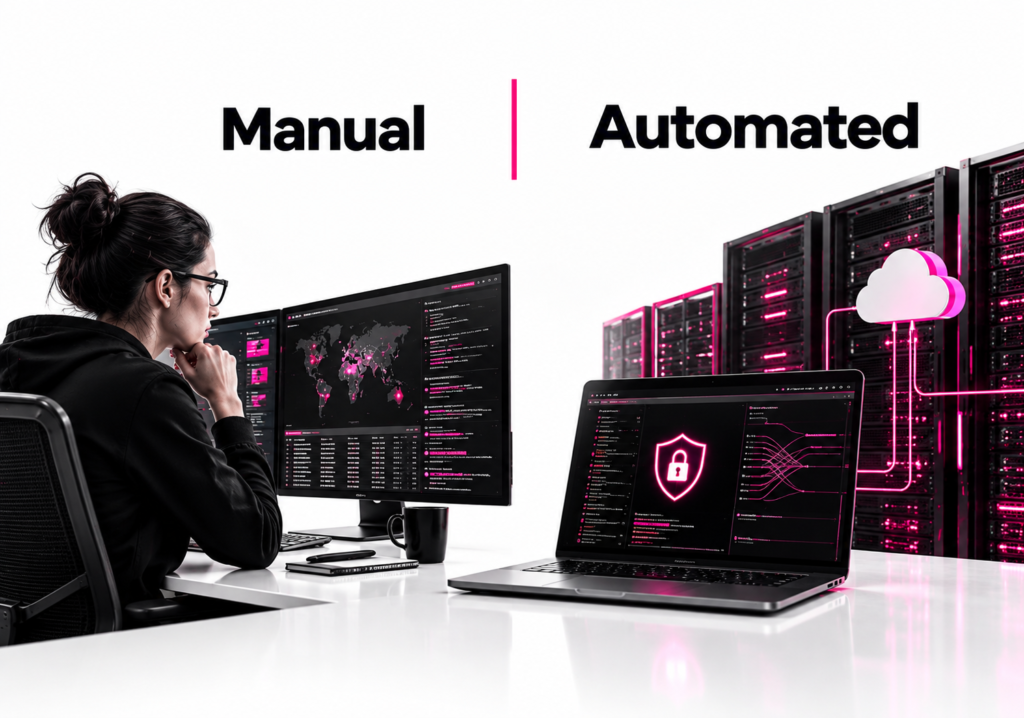
Manual threat hunting is better for investigating complex, unusual, or emerging threats, while automated threat hunting is better for continuously analyzing large volumes of security data and detecting known patterns at scale. The strongest security programs combine both: automation handles repetitive discovery, while human hunters investigate context, validate hypotheses, and uncover activity that rules may miss. Threat hunting is not simply another name for alert monitoring. A hunt starts with a question or hypothesis about potentially malicious behavior and searches available telemetry for evidence. That can involve endpoint data, authentication logs, DNS activity, cloud events, network traffic, process execution, and…
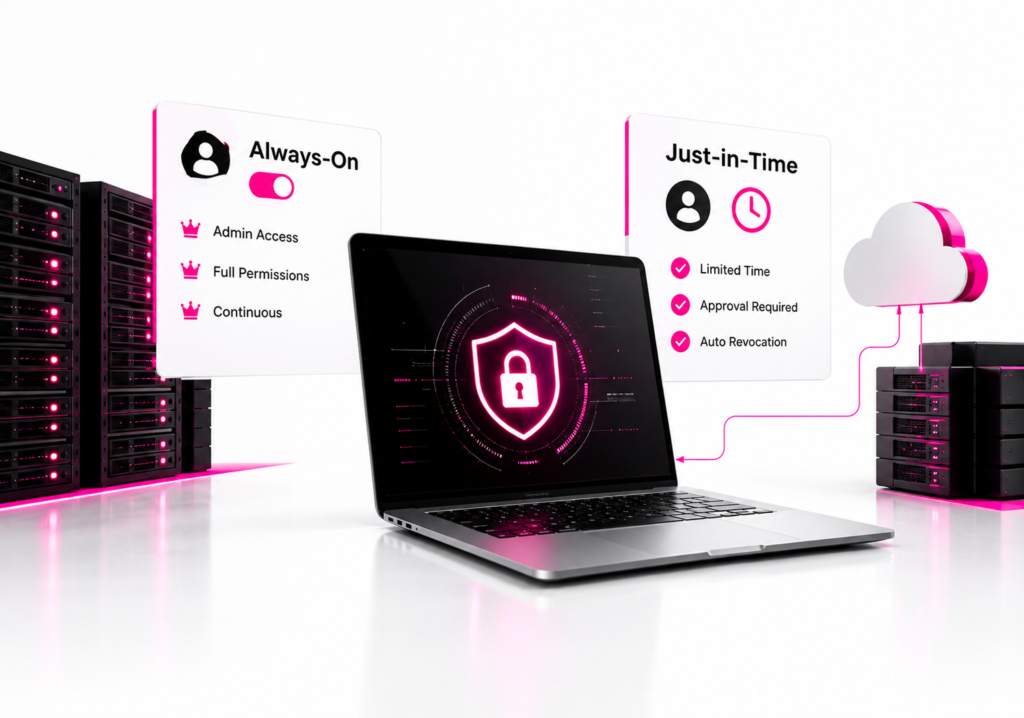
Just-in-time access is generally more secure than always-on privileged access because it limits elevated permissions to the time and task that require them. Always-on privileges leave powerful accounts continuously available, increasing the opportunity for credential theft, misuse, and accidental changes. JIT access reduces that standing-privilege exposure while preserving administrative access when it is actually needed. The difference is straightforward: with always-on privileges, an administrator may have elevated permissions every minute of every day. With just-in-time (JIT) access, that administrator is normally eligible for the privilege but activates it only when required, often for a limited duration and sometimes with MFA,…
John the Ripper and Hashcat are both powerful password-cracking and security-auditing tools, but they excel in different areas. Hashcat is usually the better choice for GPU-accelerated password recovery and large-scale hash testing, while John the Ripper is exceptionally flexible for identifying hash types, working with complex password formats, and using sophisticated word-mangling rules. The right choice depends less on which tool is “stronger” and more on the hashes, hardware, attack strategy, and evidence available to you. Hashcat’s attack-mode model makes systematic GPU-based testing straightforward, while John the Ripper’s broad format support and cracking modes make it particularly useful during password…
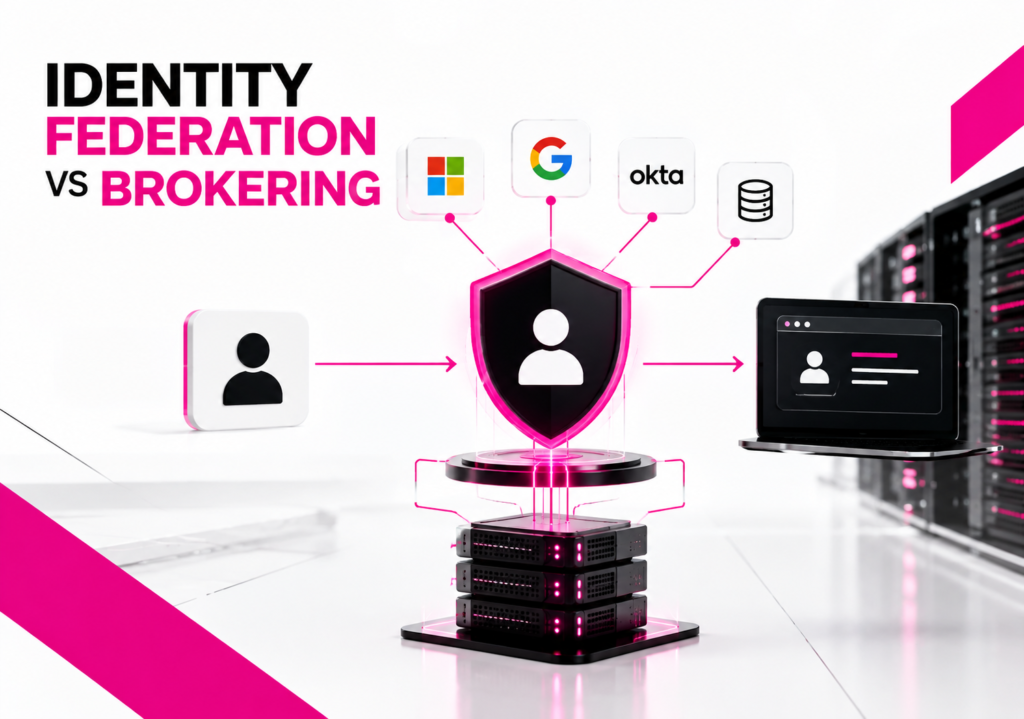
Identity federation is the trust model that lets one identity provider authenticate users for another application or organization, while identity brokering adds an intermediary that connects multiple identity providers to relying applications. Federation defines the trust relationship; brokering manages or translates those relationships through a central intermediary. In practice, an identity broker often implements federated authentication rather than replacing it. The terms are often used interchangeably, which creates confusion when designing IAM architecture. They are related, but they describe different architectural concepts. NIST’s current Digital Identity Guidelines, SP 800-63C-4, defines federation around the exchange of authentication and subscriber attributes between…
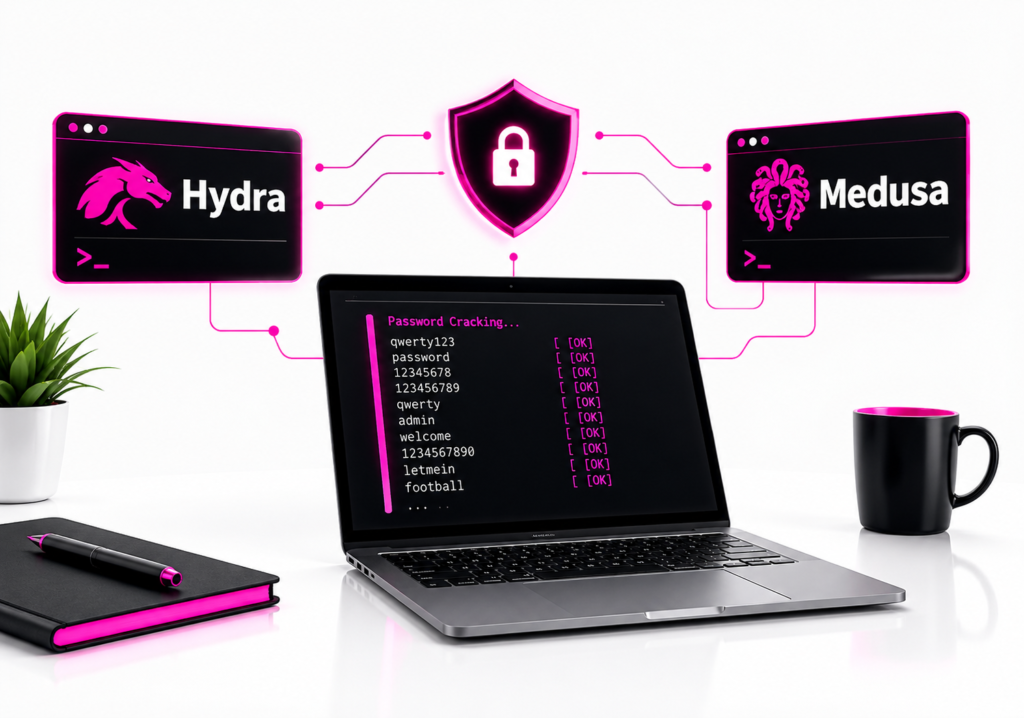
Hydra and Medusa are both network login auditing tools designed to test authentication services with automated credential attempts, but they differ in architecture and workflow. Hydra has broader protocol support and a mature, flexible command-line interface, while Medusa emphasizes thread-based parallel testing and modular service support. For authorized penetration testing, Hydra is usually the more versatile choice. The two tools are often mentioned together because they solve a similar problem: testing whether network services are vulnerable to weak or guessable credentials. Neither should be confused with offline password crackers such as Hashcat or John the Ripper. Hydra and Medusa primarily…
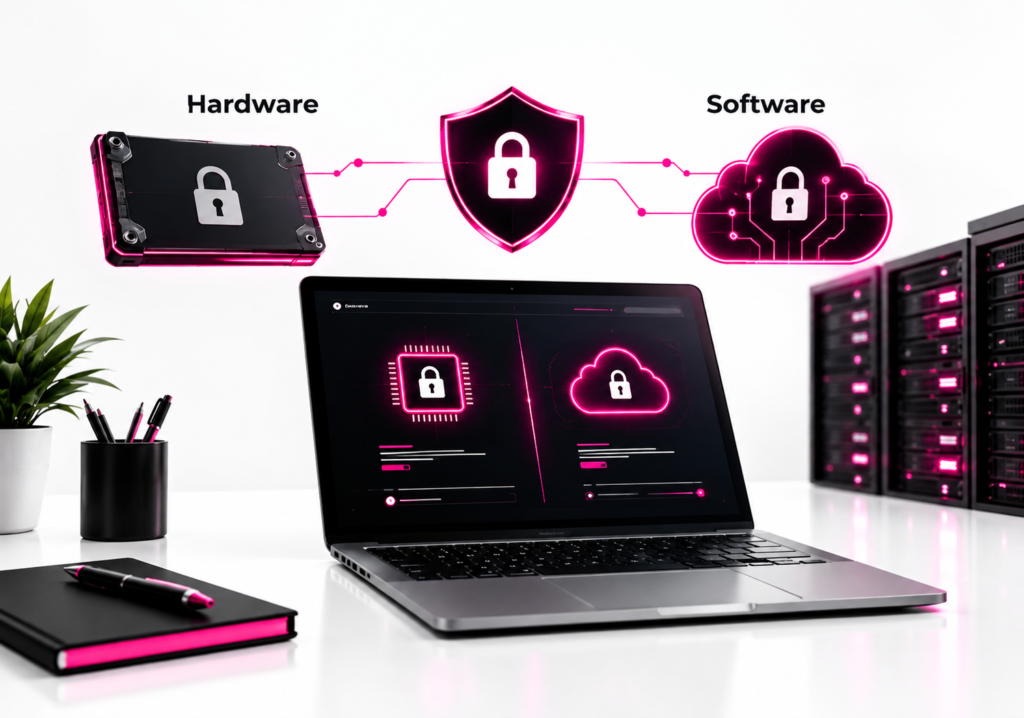
Hardware encryption performs cryptographic operations in dedicated hardware such as self-encrypting drives, secure elements, or hardware security modules, while software encryption performs them through software running on a CPU. Hardware can improve key protection and reduce CPU overhead, but it is not automatically more secure. For most systems, strong algorithms, sound key management, and trusted implementations matter more than where encryption runs. The distinction is also less absolute than it sounds. Modern devices often combine both approaches: a software encryption system may use a TPM or Secure Enclave to protect keys, while a hardware-encrypted SSD may be managed through software…
Endpoint detection identifies suspicious activity on a device, while endpoint isolation contains a device by restricting its network communication. Detection tells your security team that something is wrong; isolation limits what the compromised endpoint can do next. In a mature incident-response process, you use both: detect the threat, investigate it, then isolate the endpoint when containment is justified. These controls solve different problems. EDR platforms such as Microsoft Defender for Endpoint, CrowdStrike Falcon, and SentinelOne continuously collect endpoint telemetry and detect suspicious behavior. Isolation is a response action that cuts or restricts network connectivity so an infected laptop, workstation, or…
EKS and AKS can both be highly secure managed Kubernetes platforms, but neither is automatically safer. EKS security is strongest when you want deep AWS IAM, VPC, KMS, and security-service integration, while AKS security is particularly strong around Microsoft Entra ID, Azure RBAC, Defender for Containers, and Azure-native policy controls. Your existing cloud architecture should drive the decision. Both platforms inherit the security model of Kubernetes: identity, RBAC, pod isolation, network policies, secrets management, image security, logging, and timely patching still matter. The cloud provider manages parts of the control plane, but your workloads and configurations remain your responsibility. AWS…