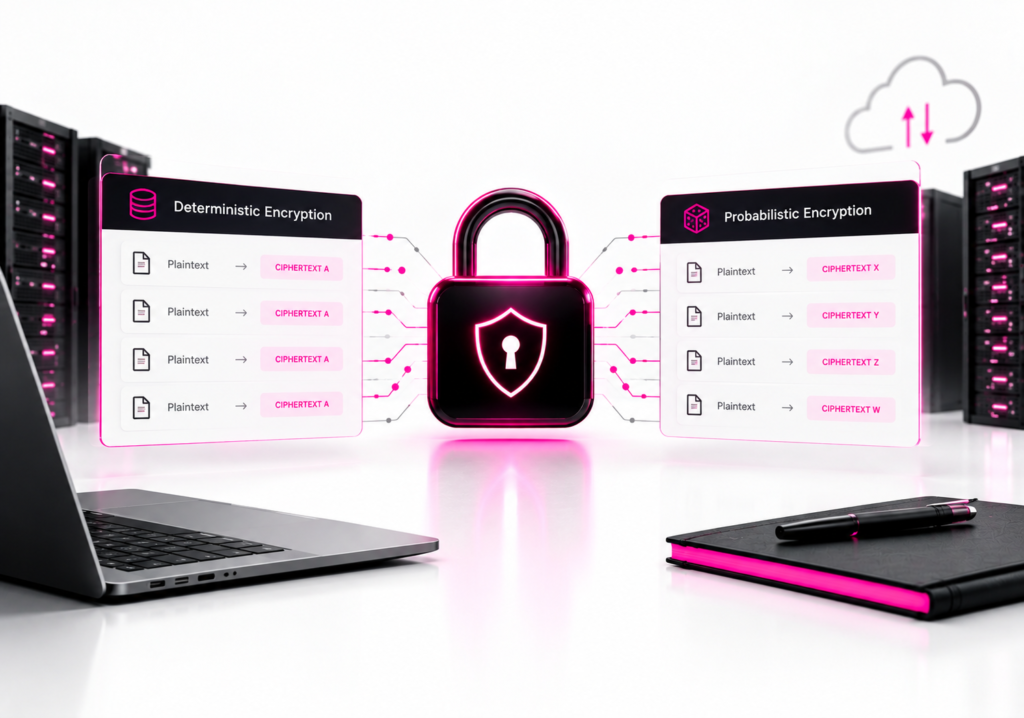
Deterministic encryption produces the same ciphertext every time the same plaintext is encrypted with the same key, while probabilistic encryption uses randomness so repeated encryptions normally produce different ciphertexts. Deterministic encryption can enable equality searches but leaks repetition; probabilistic encryption provides stronger privacy against pattern analysis and is the normal choice for general-purpose data protection. The distinction matters because encryption does more than hide the plaintext. It also determines what an observer can learn from ciphertext. If ten users have the same encrypted value, deterministic encryption can make those repeated values visibly identical. Probabilistic encryption deliberately breaks that relationship. That…
Author: Ali
Cloud SIEM is usually the better choice for organizations that need rapid deployment, elastic log storage, remote monitoring, and less infrastructure management. On-prem SIEM remains valuable when data residency, offline operation, legacy systems, or direct infrastructure control are priorities. For many organizations, a hybrid model provides the strongest balance between cloud flexibility and on-premises control. The real question in a Cloud SIEM vs on-prem SIEM comparison is not simply which platform is more secure. Both can provide centralized log collection, correlation, alerting, investigation, and security monitoring. The bigger differences are where the SIEM runs, who operates the infrastructure, how data…
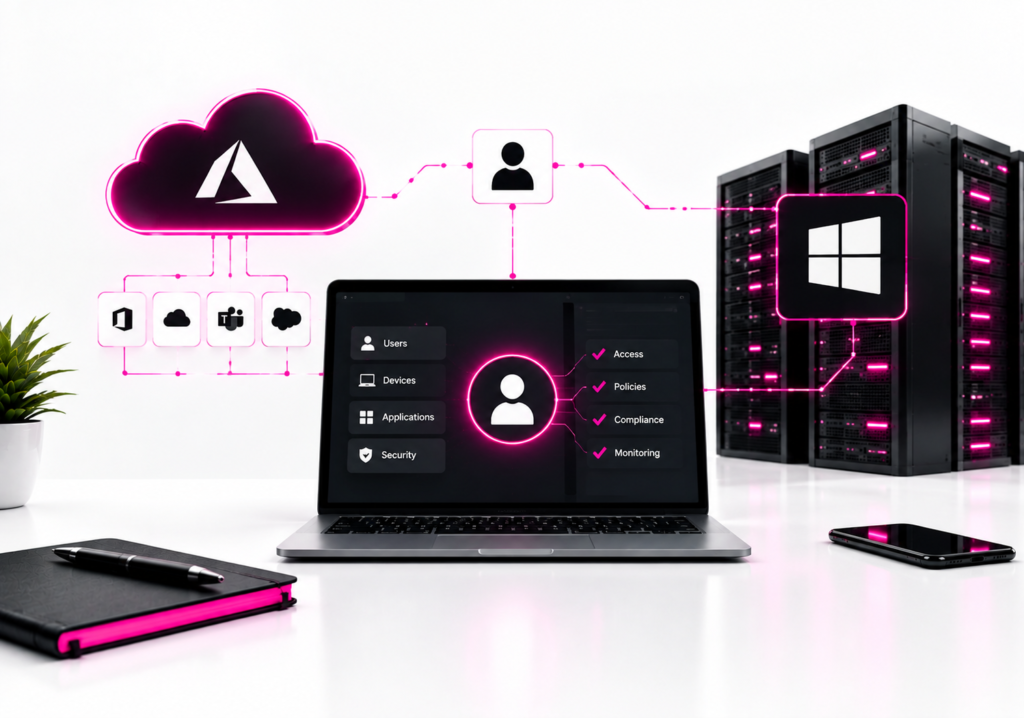
Cloud IAM is generally the better foundation for cloud-first organizations, while traditional Active Directory remains essential for many Windows-centric environments, legacy applications, and on-premises infrastructure. The strongest approach for hybrid organizations is often integration rather than immediate replacement: use cloud identity for modern applications and access policies while retaining AD where Kerberos, LDAP, Group Policy, or domain-dependent workloads still require it. The difference is architectural, not simply a matter of where the directory is hosted. Traditional Active Directory Domain Services (AD DS) was designed around domains, domain controllers, computers, Group Policy, LDAP, Kerberos, and Windows network environments. Cloud IAM platforms…
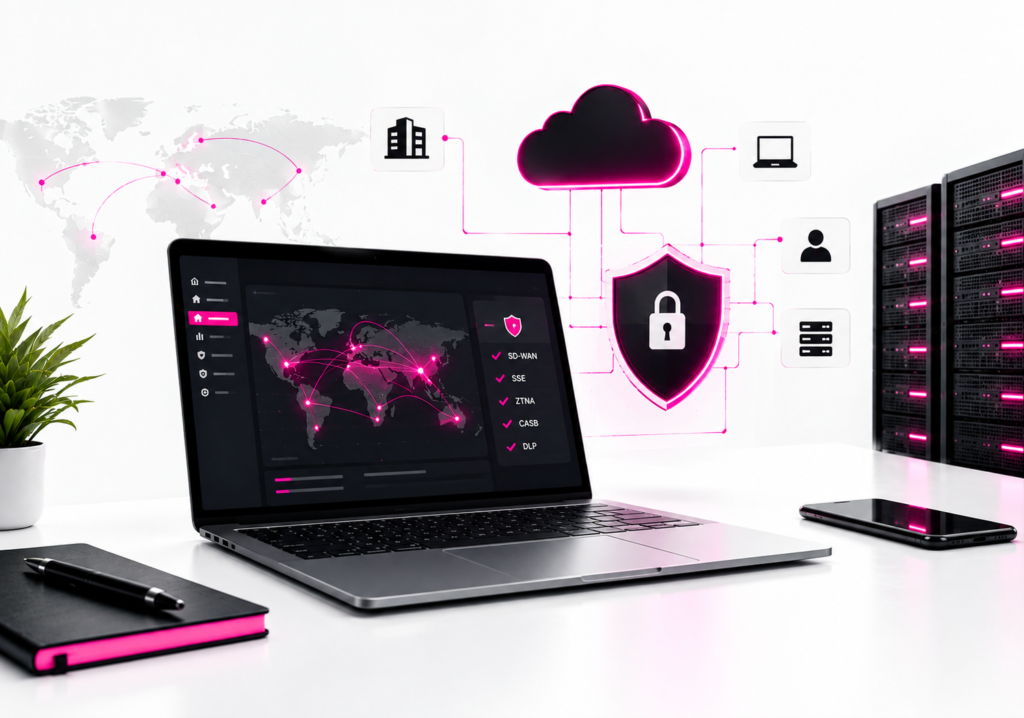
The best software-defined WAN for unified SASE is Cato SD-WAN for organizations that want networking and security built into one cloud-native platform. Netskope One, Fortinet Unified SASE, and Palo Alto Prisma SD-WAN are strong alternatives, while Cisco Catalyst SD-WAN is particularly compelling for existing Cisco environments. The right choice depends on whether you prioritize single-vendor convergence, security depth, existing infrastructure, or network control. SD-WAN is only one part of SASE. A complete SASE architecture combines WAN connectivity with security services such as secure web gateway (SWG), cloud access security broker (CASB), zero trust network access (ZTNA), firewall-as-a-service, and data protection.…
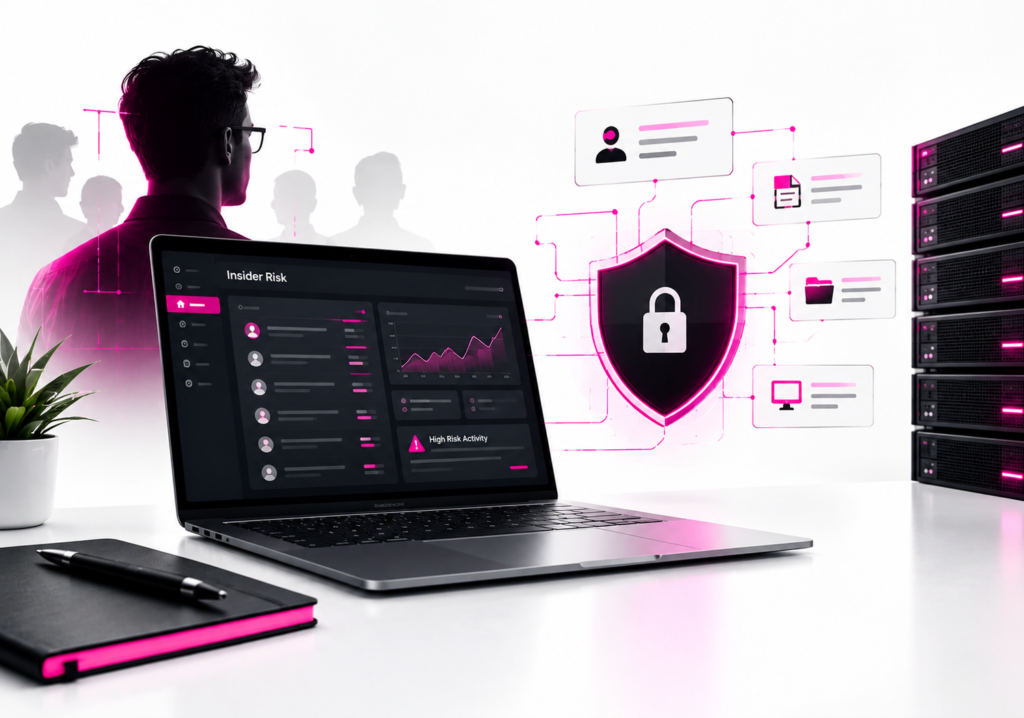
The best software for managing insider threat risks depends on where your sensitive data lives and how much control you need. Microsoft Purview Insider Risk Management is the strongest choice for Microsoft 365 environments, while Proofpoint, Forcepoint, and DTEX are better fits for organizations needing broader endpoint, data-loss, and behavioral-risk controls. The right platform should detect risky behavior, provide context, protect privacy, and support investigation—not simply generate alerts. Insider risk is broader than a malicious employee stealing data. NIST defines an insider threat as the possibility that someone using authorized access, knowingly or unknowingly, harms organizational operations or assets. That…
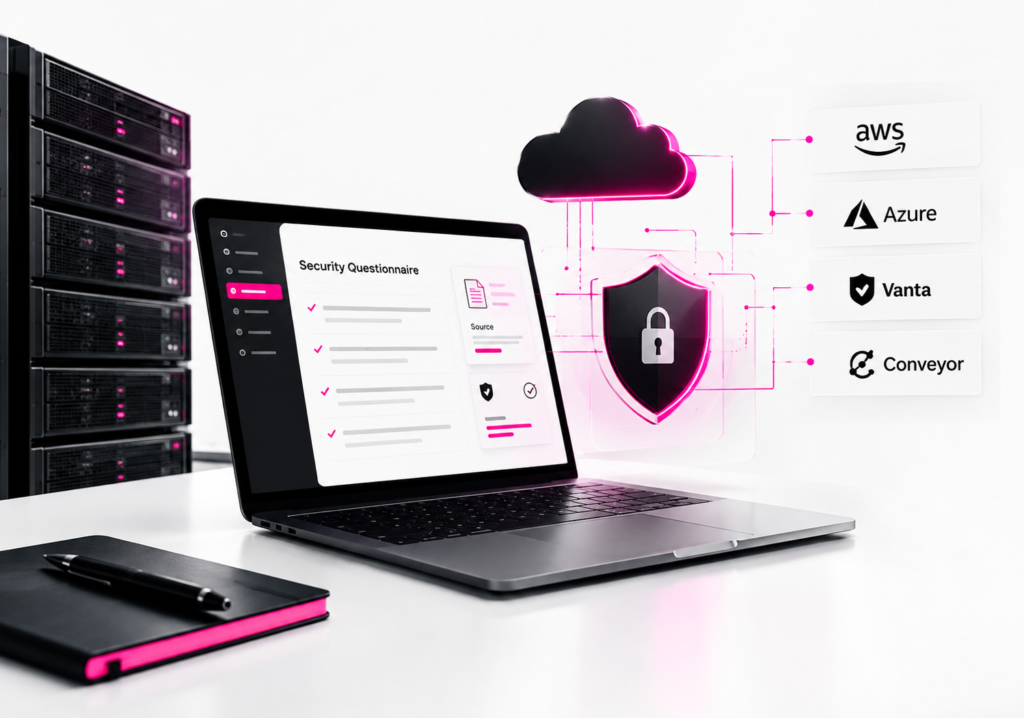
The best software for automating security questionnaire responses depends on what you need to automate. Conveyor is a strong choice for dedicated questionnaire automation, Vanta fits teams that want questionnaire workflows tied to compliance, HyperComply works well for security teams that want AI plus human review, and Responsive or Loopio are better fits for broader RFP and response-management workflows. The right choice depends on questionnaire volume, source control, integrations, and how much human review you require. Security questionnaires are more than repetitive spreadsheets. They often ask for evidence about encryption, access control, incident response, data retention, vulnerability management, privacy, and…
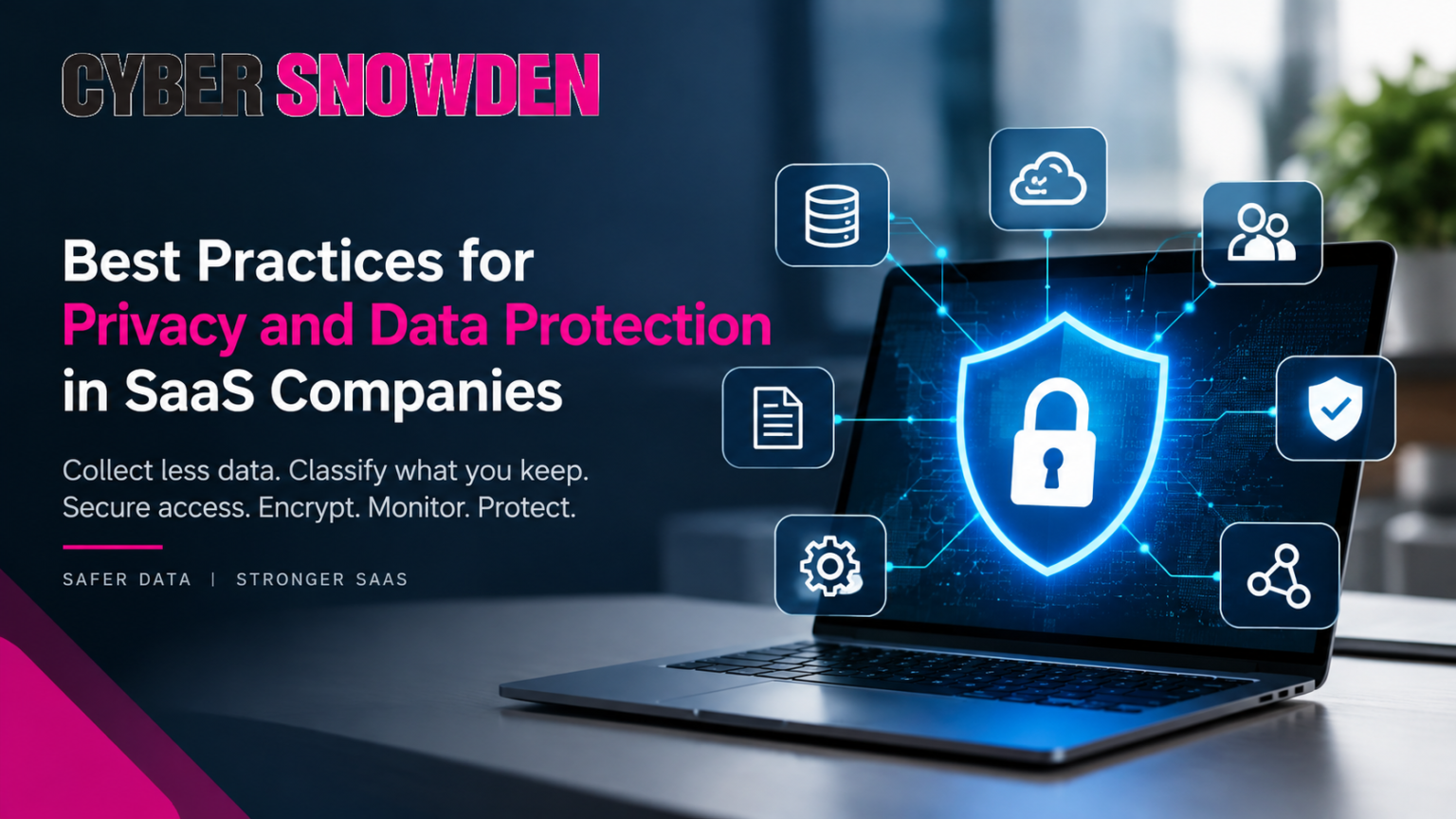
The best practices for privacy and data protection in SaaS companies are to collect less data, classify what you keep, enforce least-privilege access, encrypt sensitive information, secure APIs and integrations, manage vendors, and continuously test your controls. The goal is simple: make sure customer data is protected throughout its entire lifecycle—from collection and storage to sharing, retention, and deletion. For SaaS companies, privacy cannot be treated as a policy page written by legal counsel and forgotten. Every new feature, third-party integration, analytics script, support tool, and AI capability can create a new path for customer data to move somewhere it…
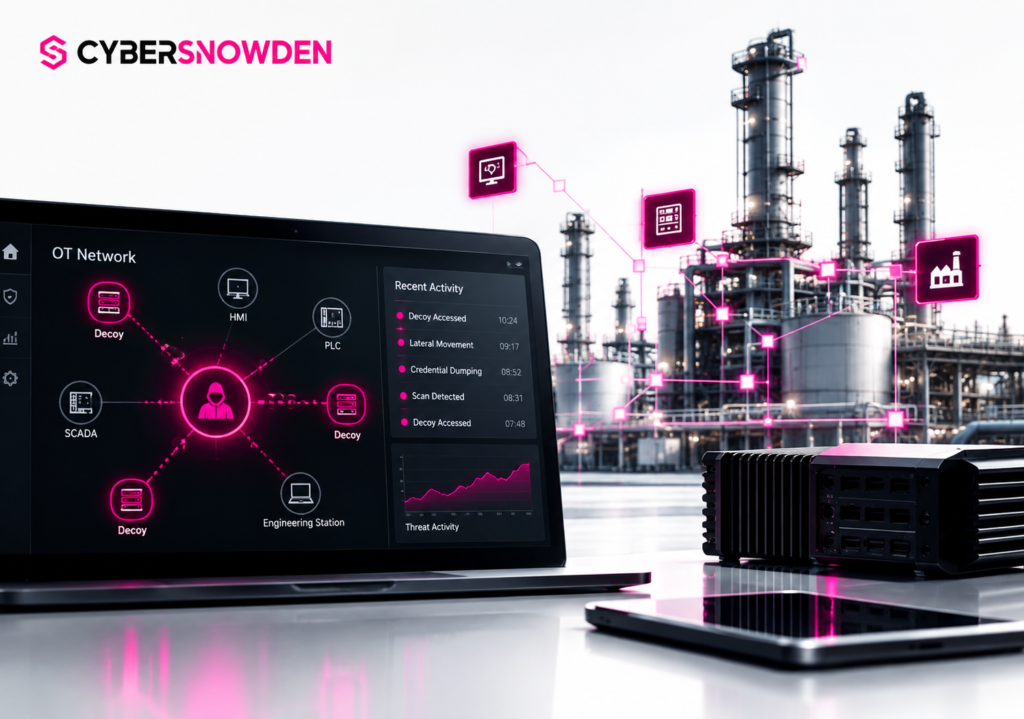
CounterCraft is my top choice for dedicated OT network deception because it is designed around realistic OT/ICS environments, can create digital-twin deception environments, and is built to detect attackers without modifying live SCADA or ICS networks. SentinelOne Singularity Hologram is stronger when deception needs to fit into an existing XDR stack, while Armis is better when OT asset visibility and early-warning intelligence matter as much as deception. The key distinction is simple: OT deception software should look believable to an attacker without becoming another operational risk. A generic IT honeypot that exposes a fake Windows server is not enough for…
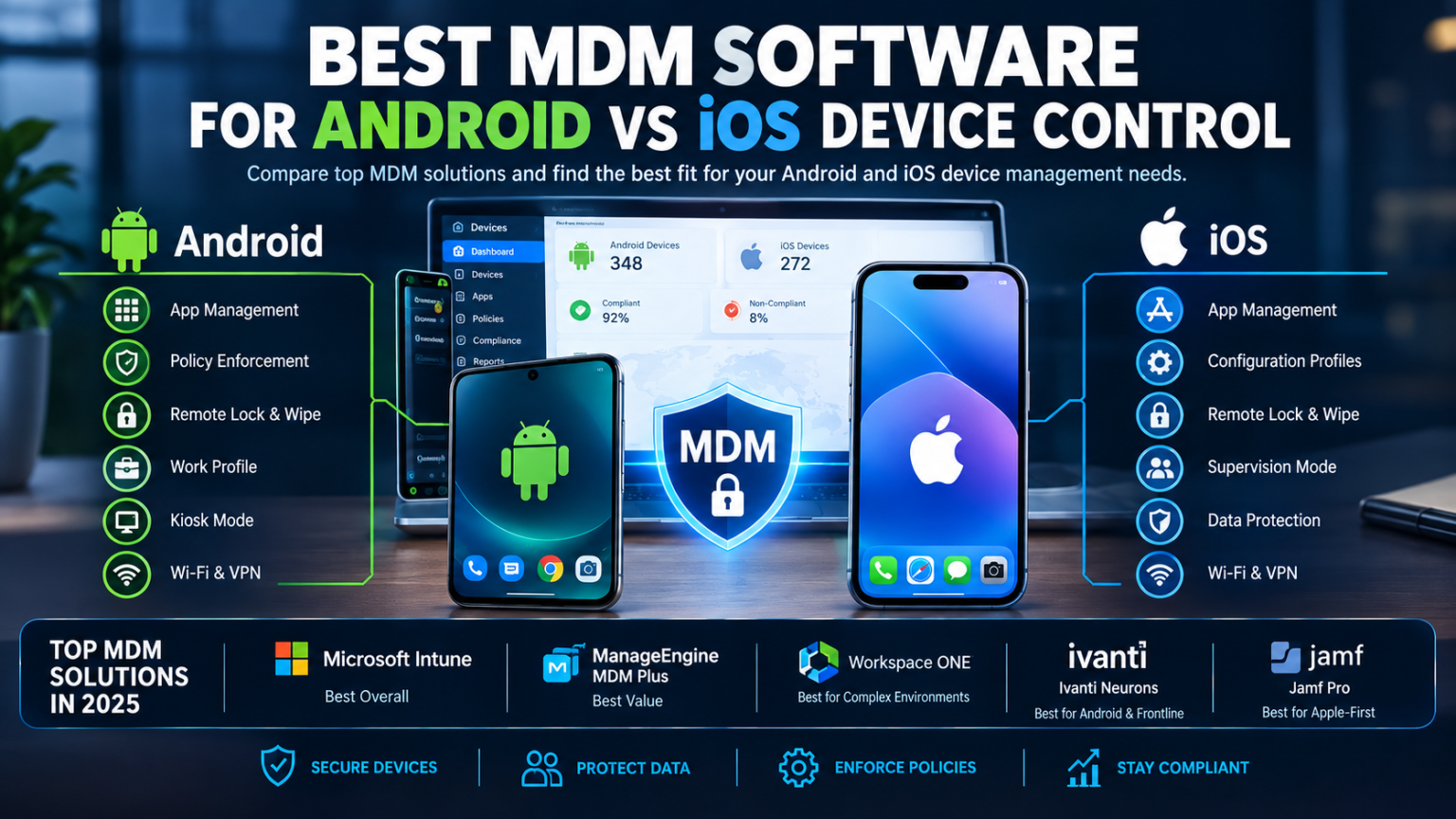
Search intent: Commercial investigation + comparison. The reader wants to know which MDM platform gives the strongest practical control over both Android and iOS devices, and where each operating system changes what an administrator can actually enforce. Core question: Which MDM software provides the best device control across Android and iOS, and how different are the controls between the two platforms? People Also Ask-style questions: What is the best MDM for Android and iOS? Is Android or iOS easier to manage with MDM? What can an MDM administrator control on Android vs iPhone? Is Microsoft Intune better than ManageEngine for…
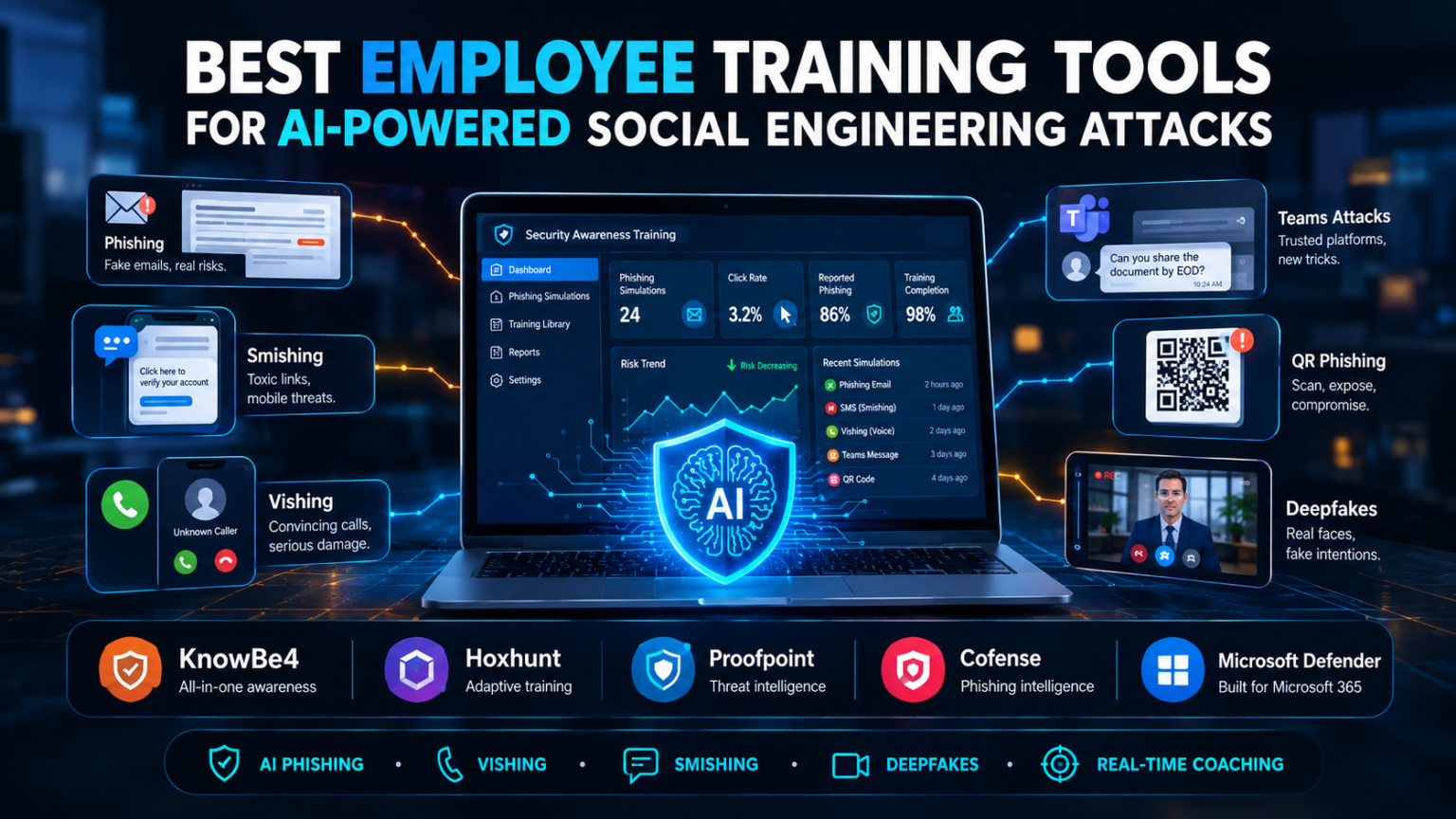
KnowBe4 is my strongest overall pick for organizations that want AI-assisted phishing simulations, adaptive training, real-time coaching, and broad social-engineering coverage. Hoxhunt is the better choice for organizations prioritizing adaptive, threat-led training across email, SMS, Teams, and voice. Microsoft Defender’s Attack Simulation Training is the practical choice for Microsoft 365 shops that already own the required license. The reason is simple: AI has made convincing social engineering cheaper and easier to personalize. Training therefore needs to move beyond annual phishing emails. The strongest platforms continuously test employees, adapt difficulty, teach immediately after risky behavior, and cover multiple attack channels. NIST’s…